The O. Paul Andrew Collection Takes Center Stage in the City of Light
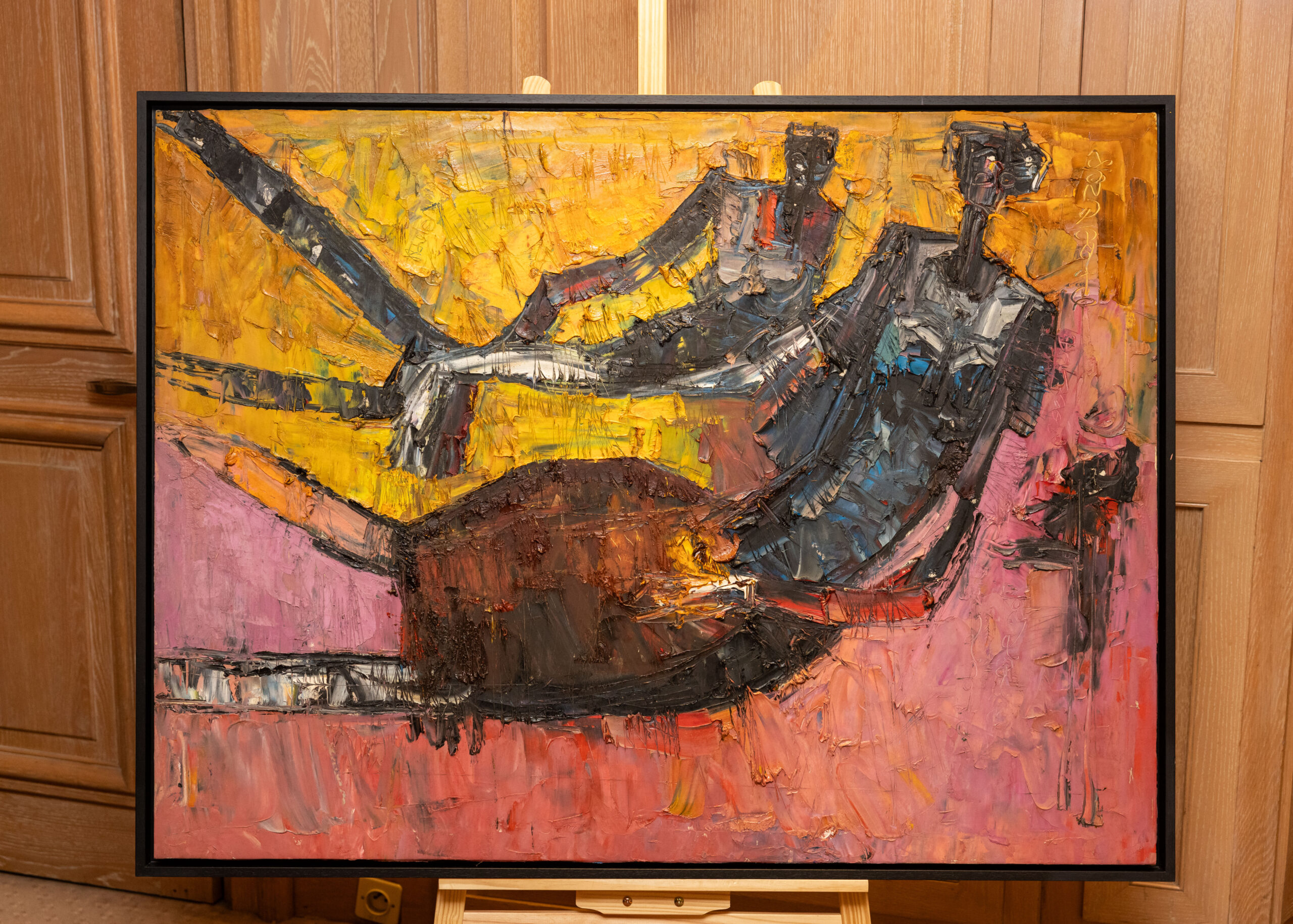
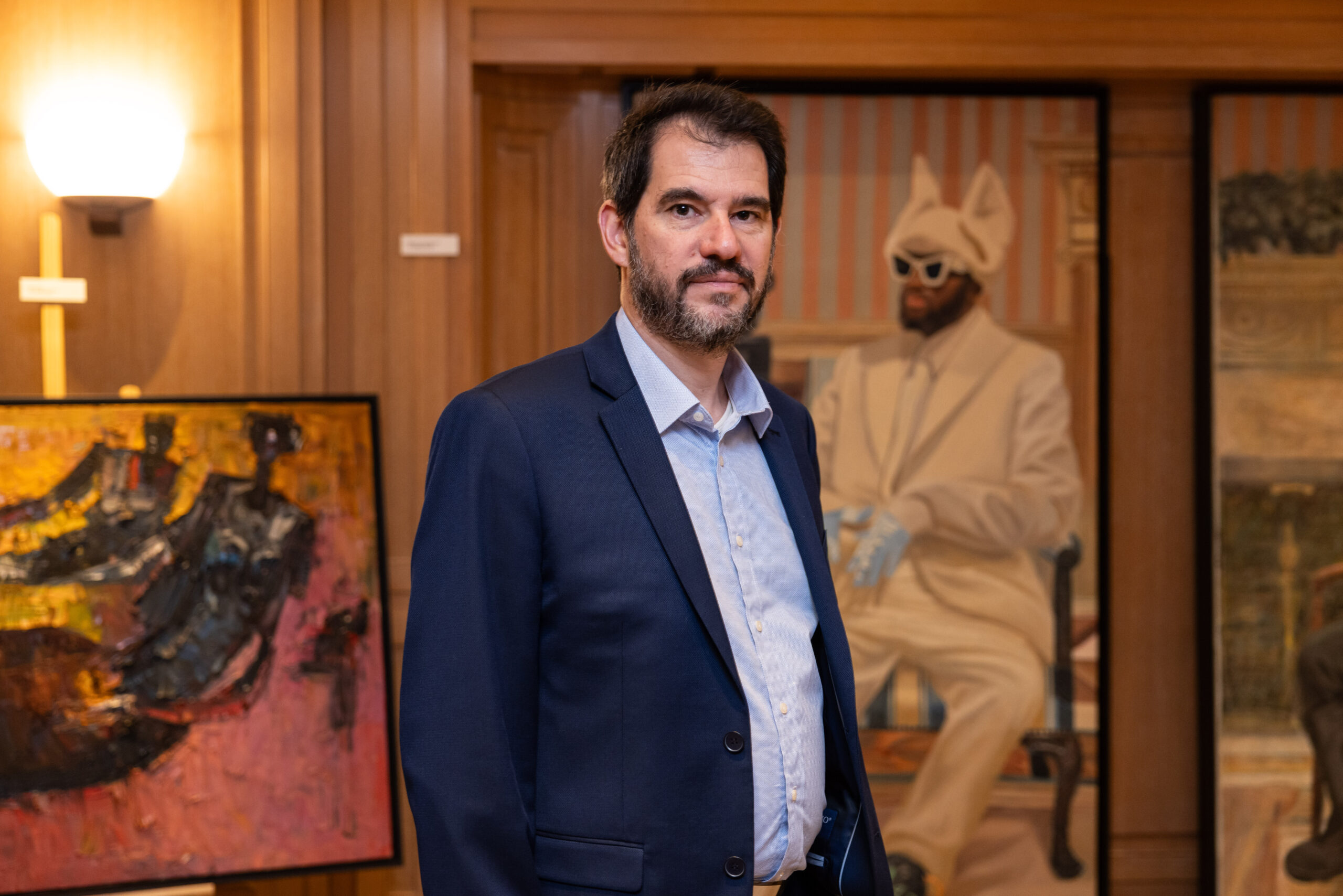
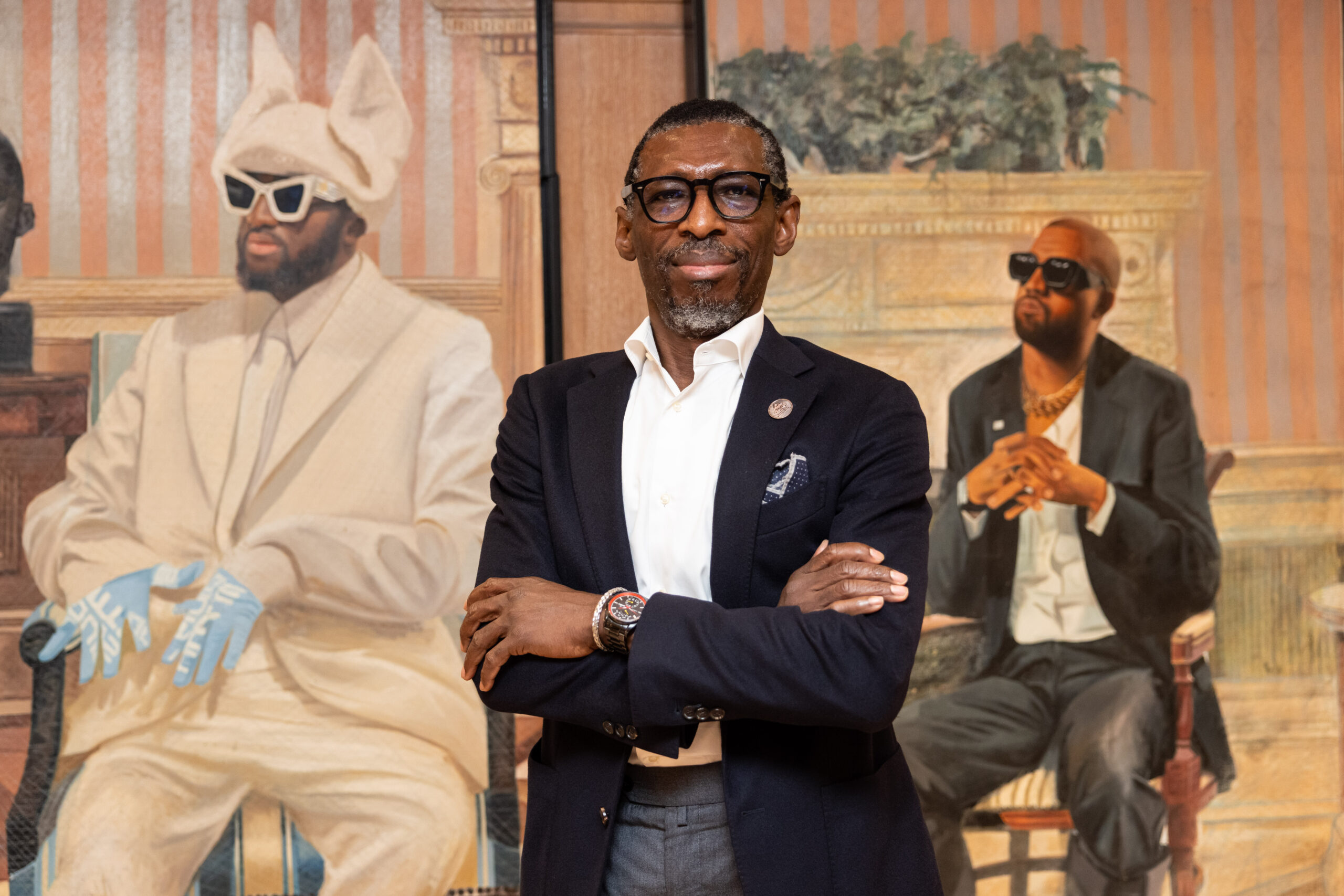
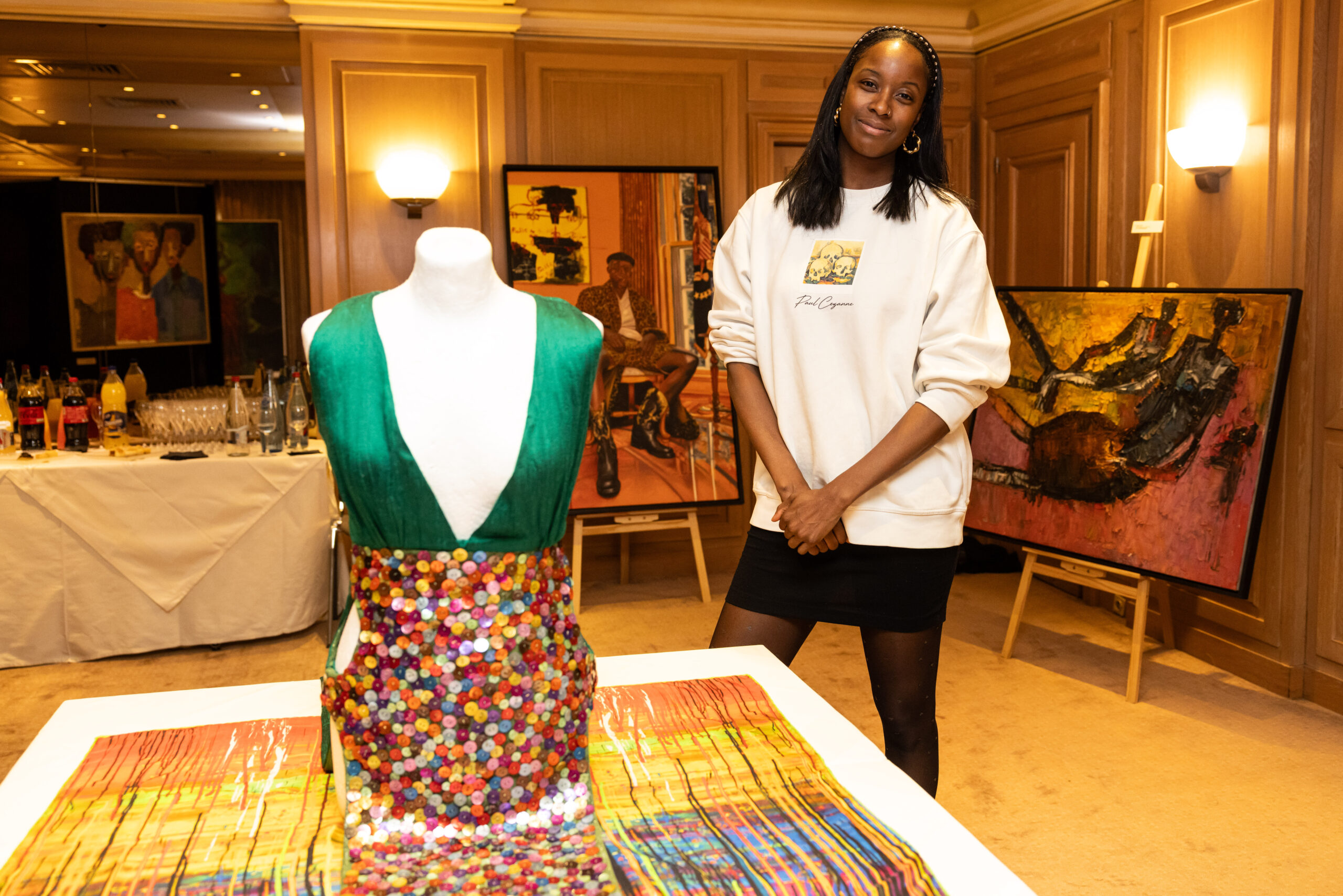
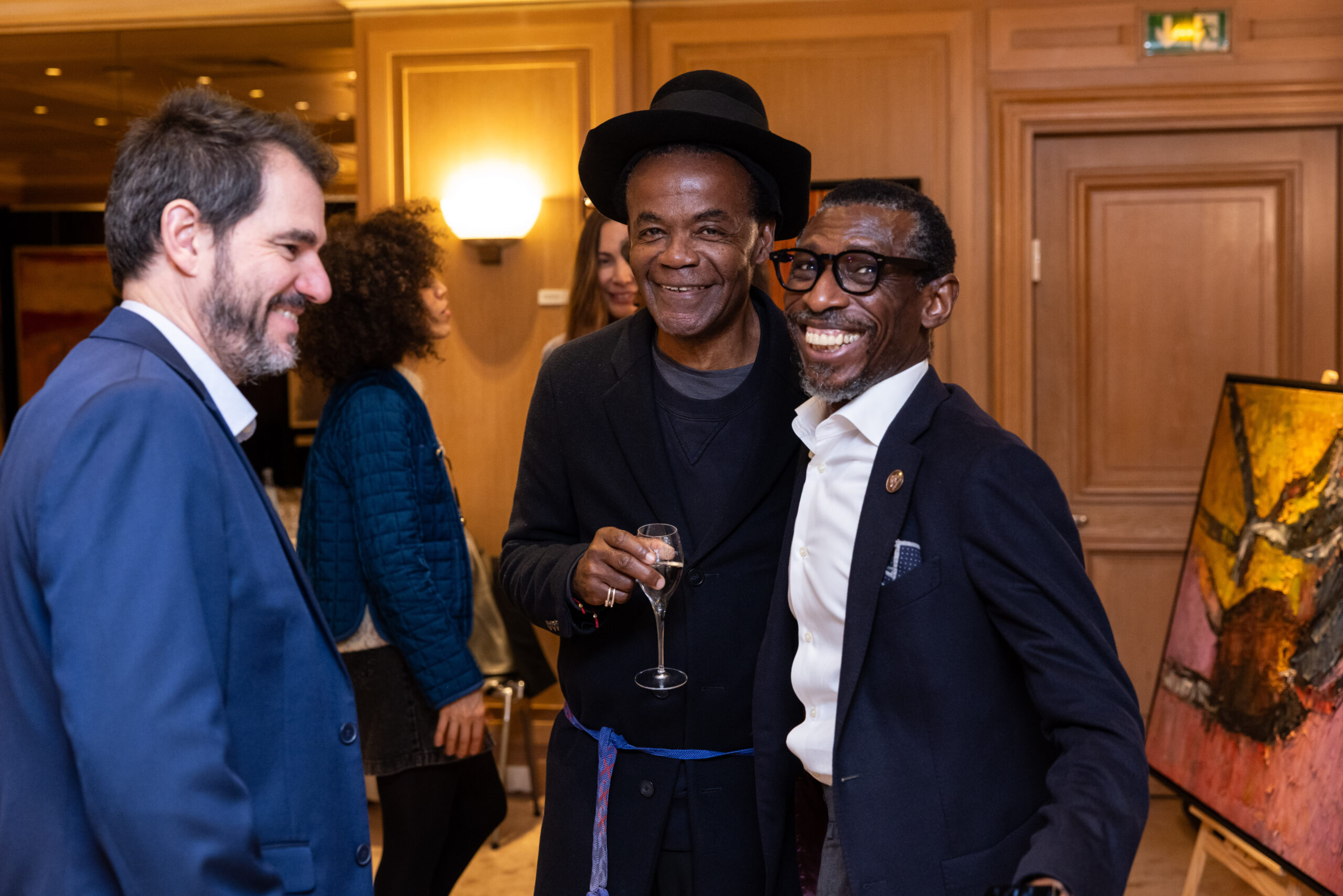
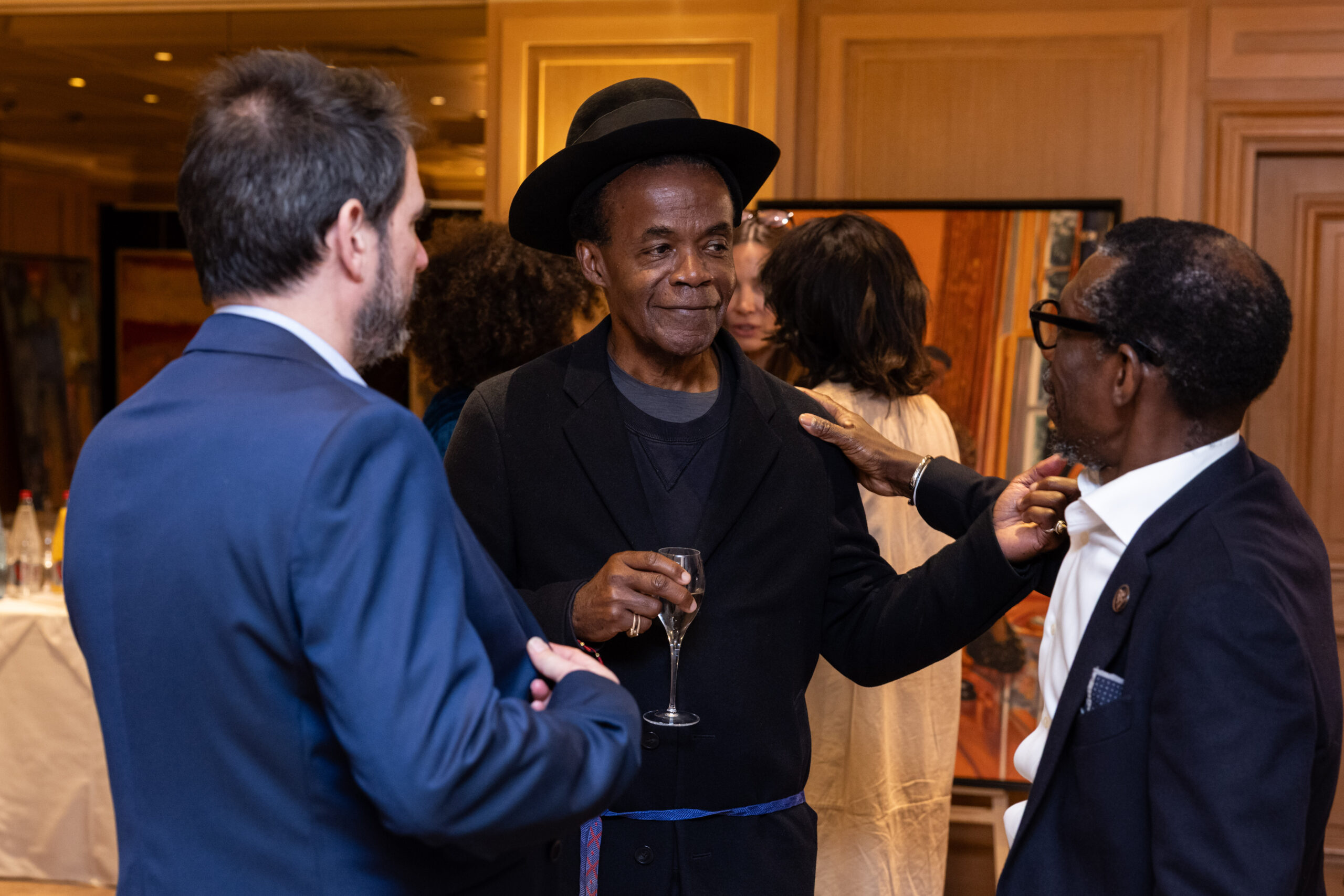
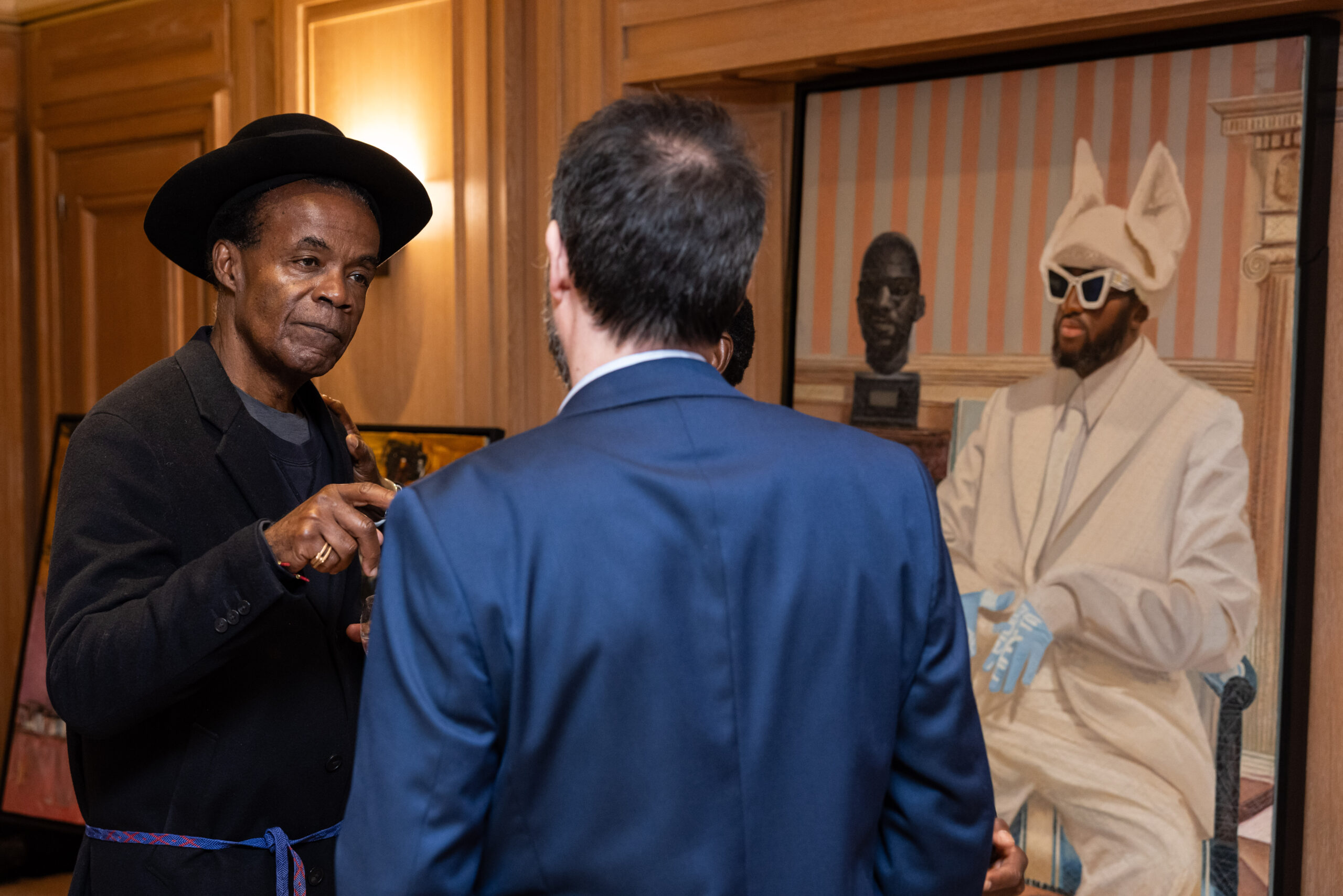
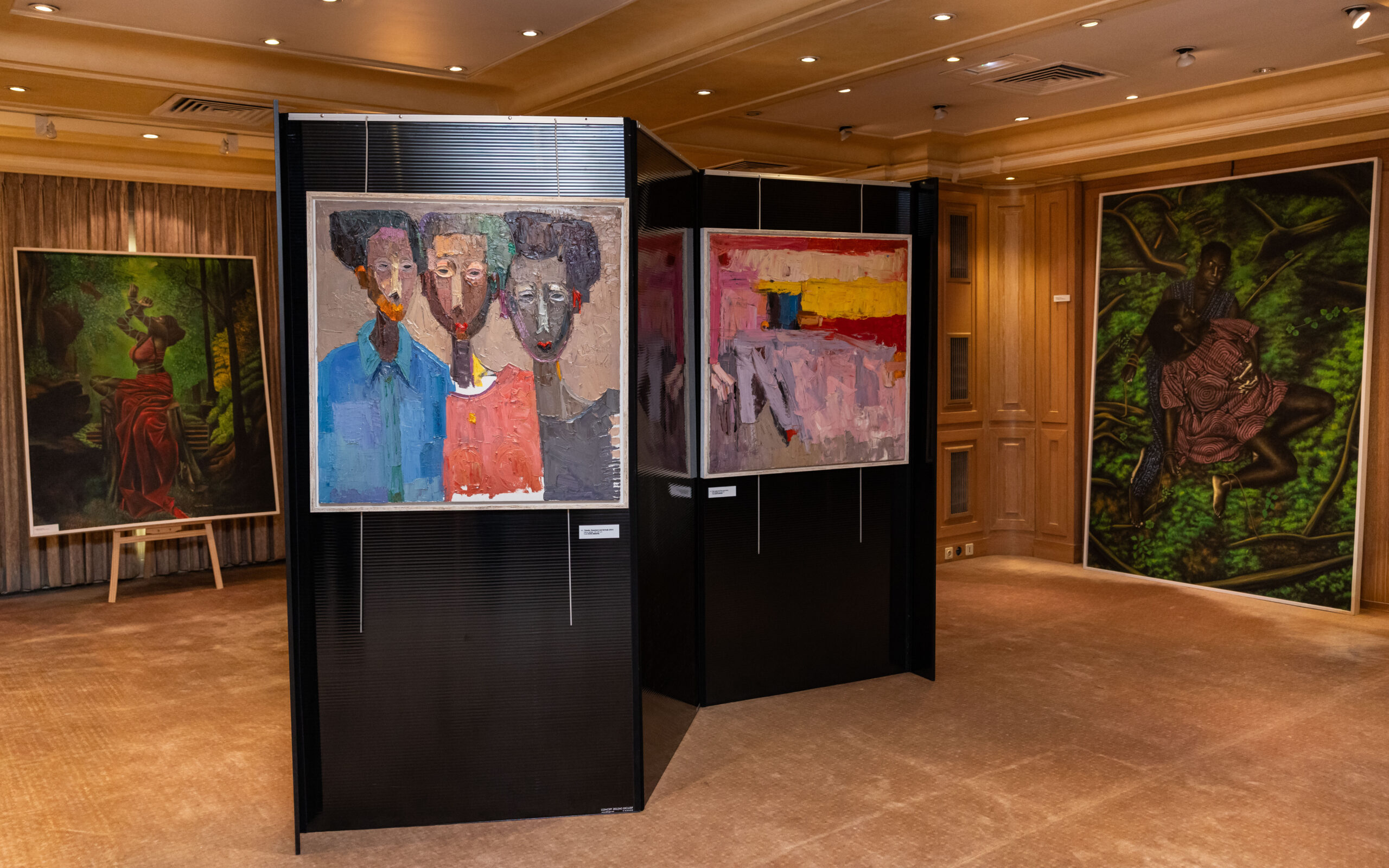
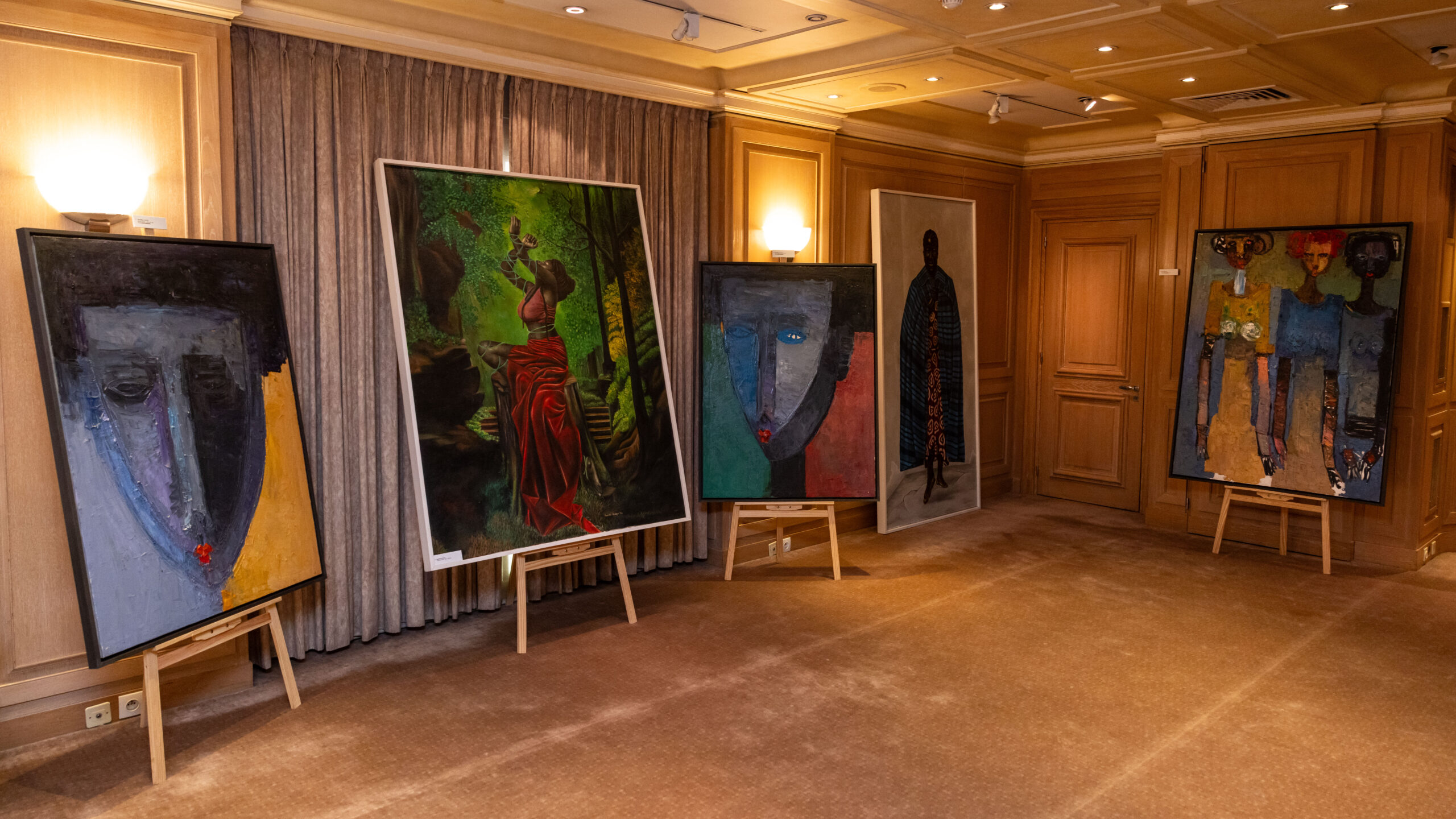
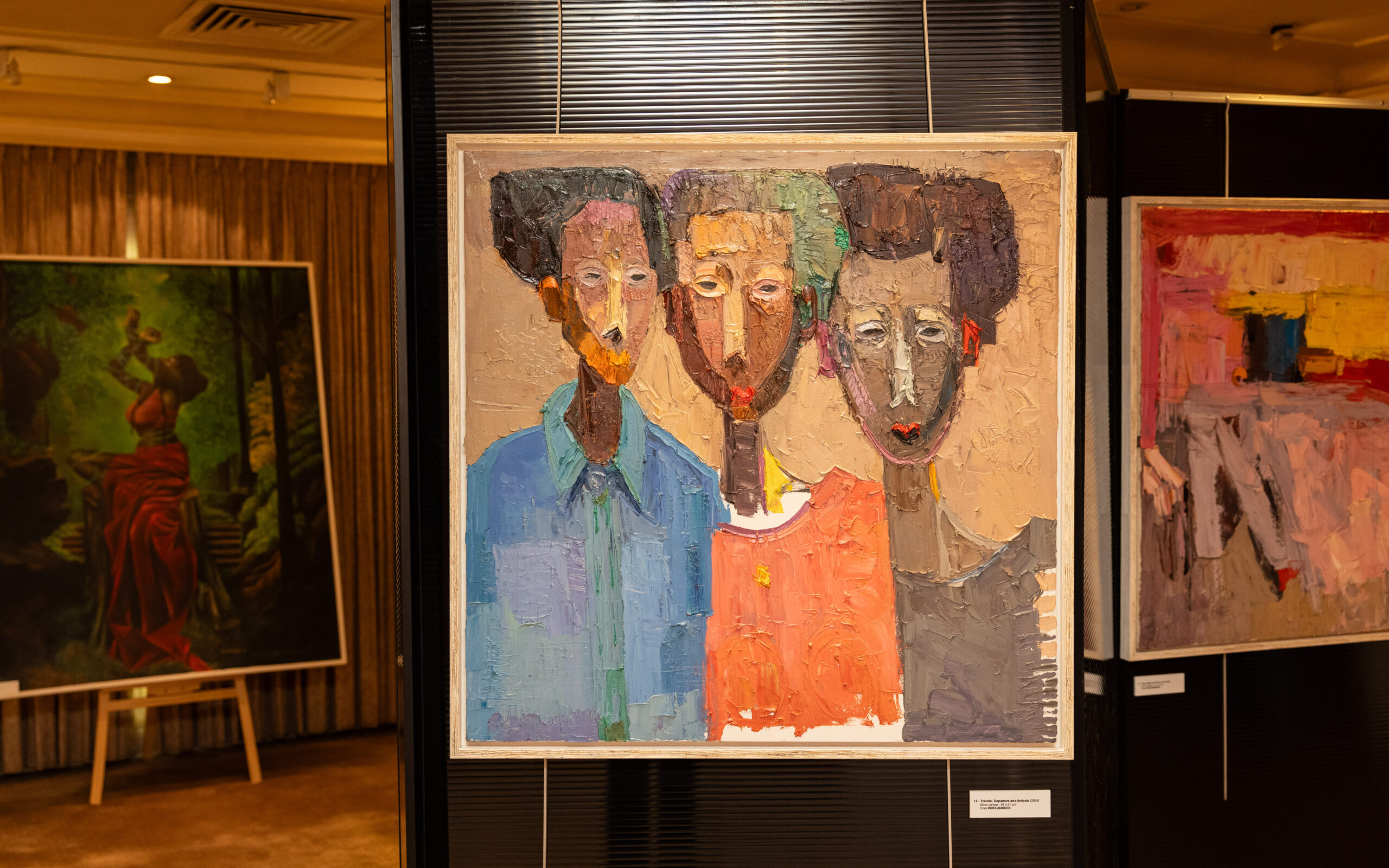
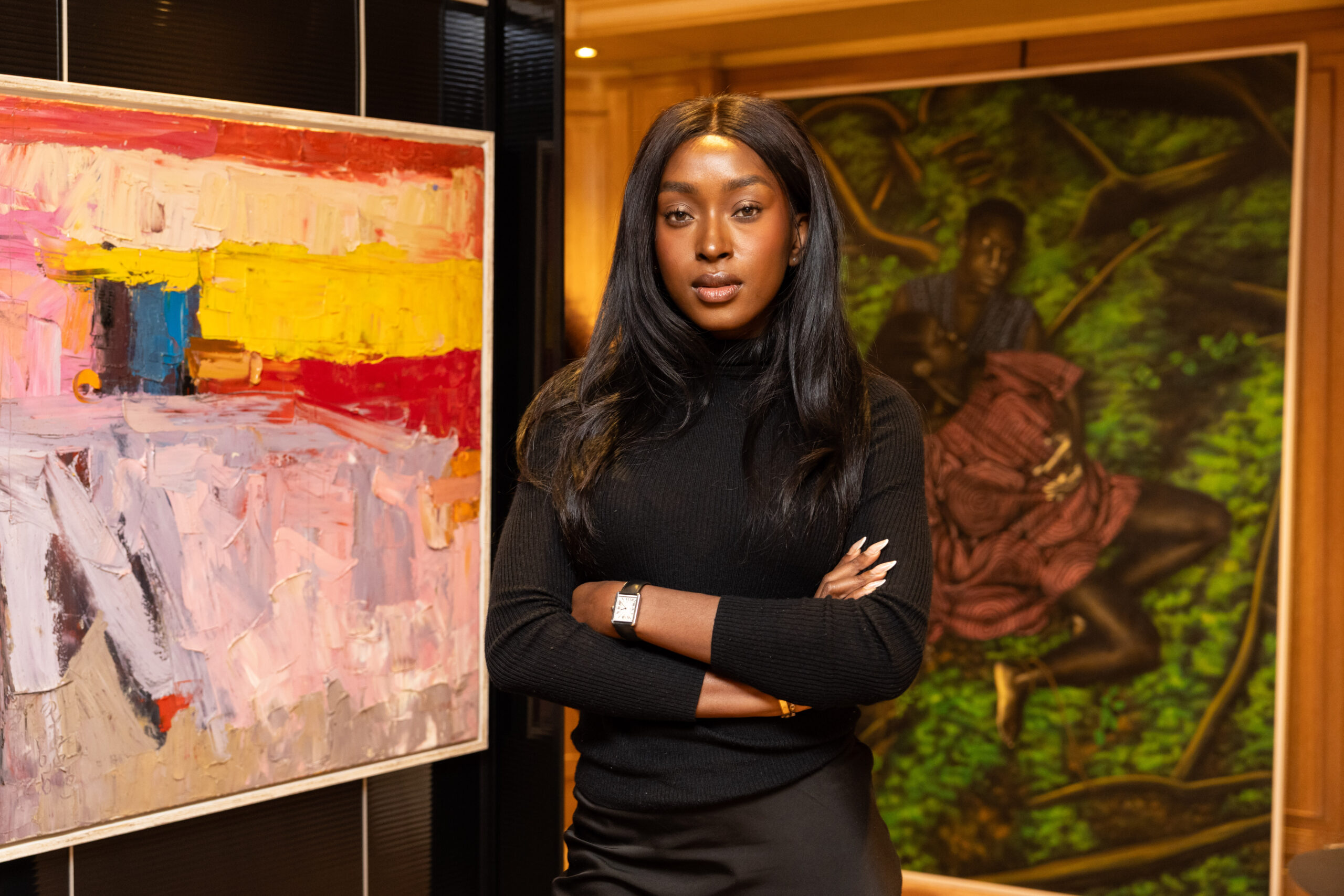
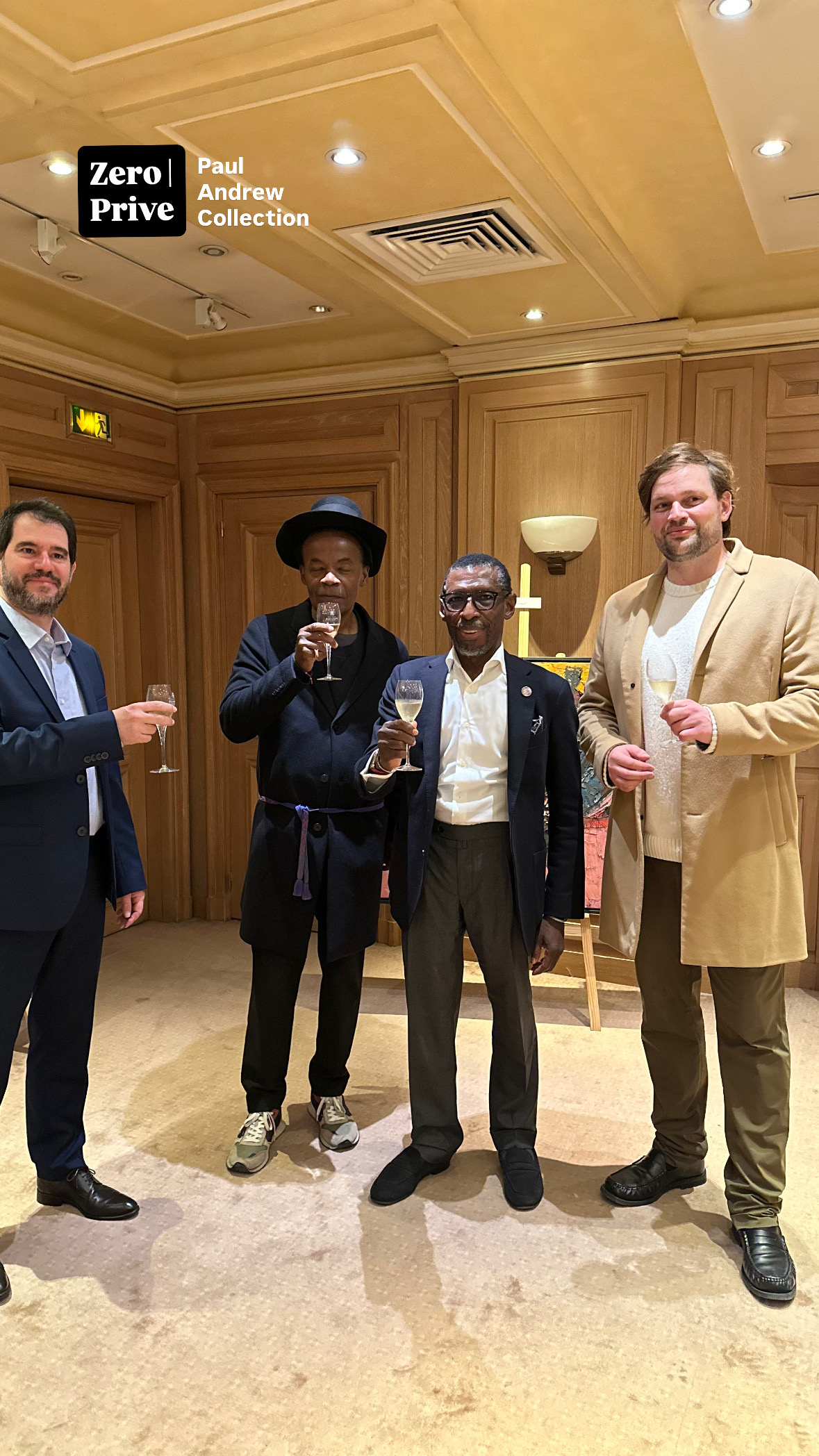
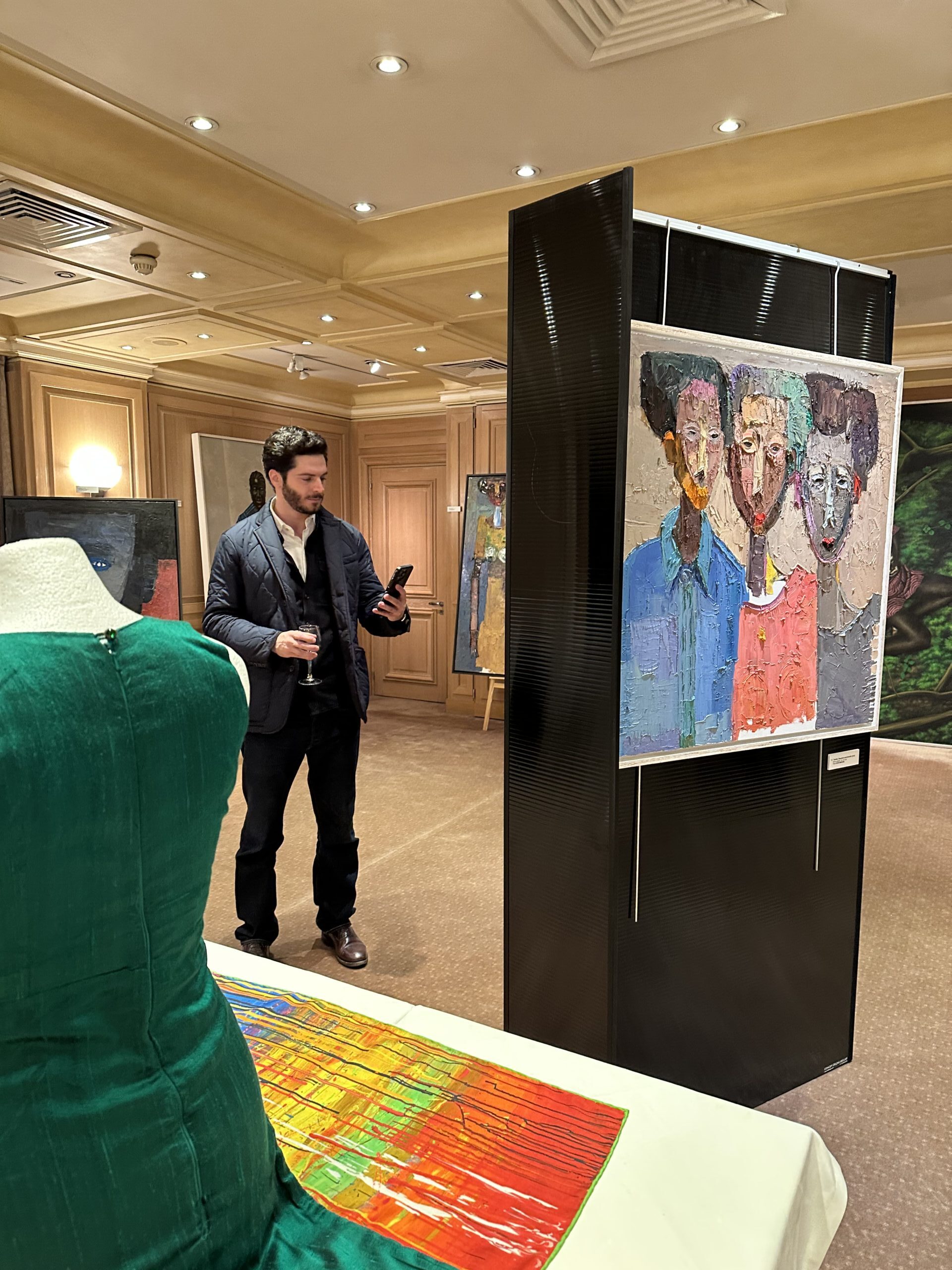
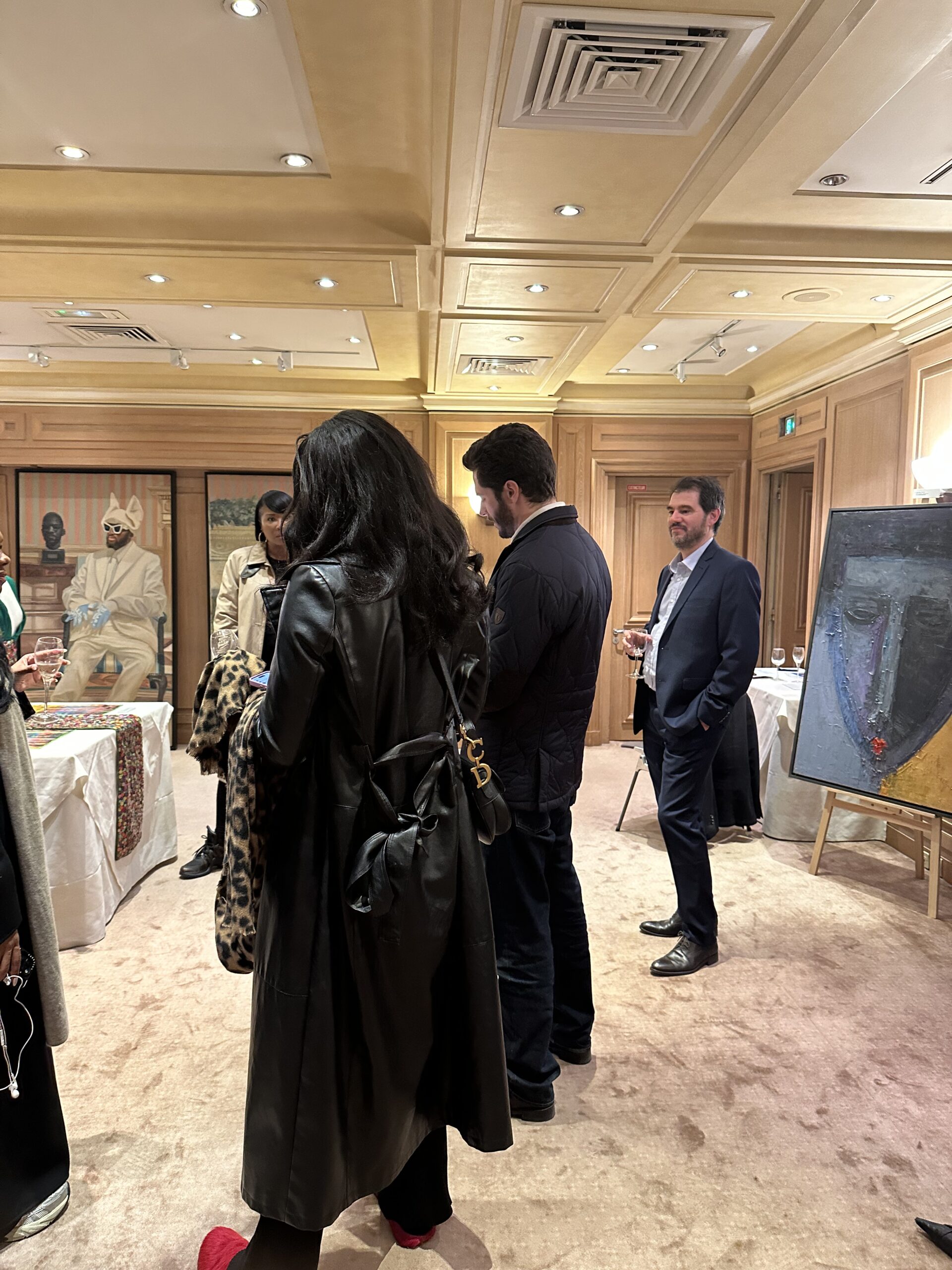
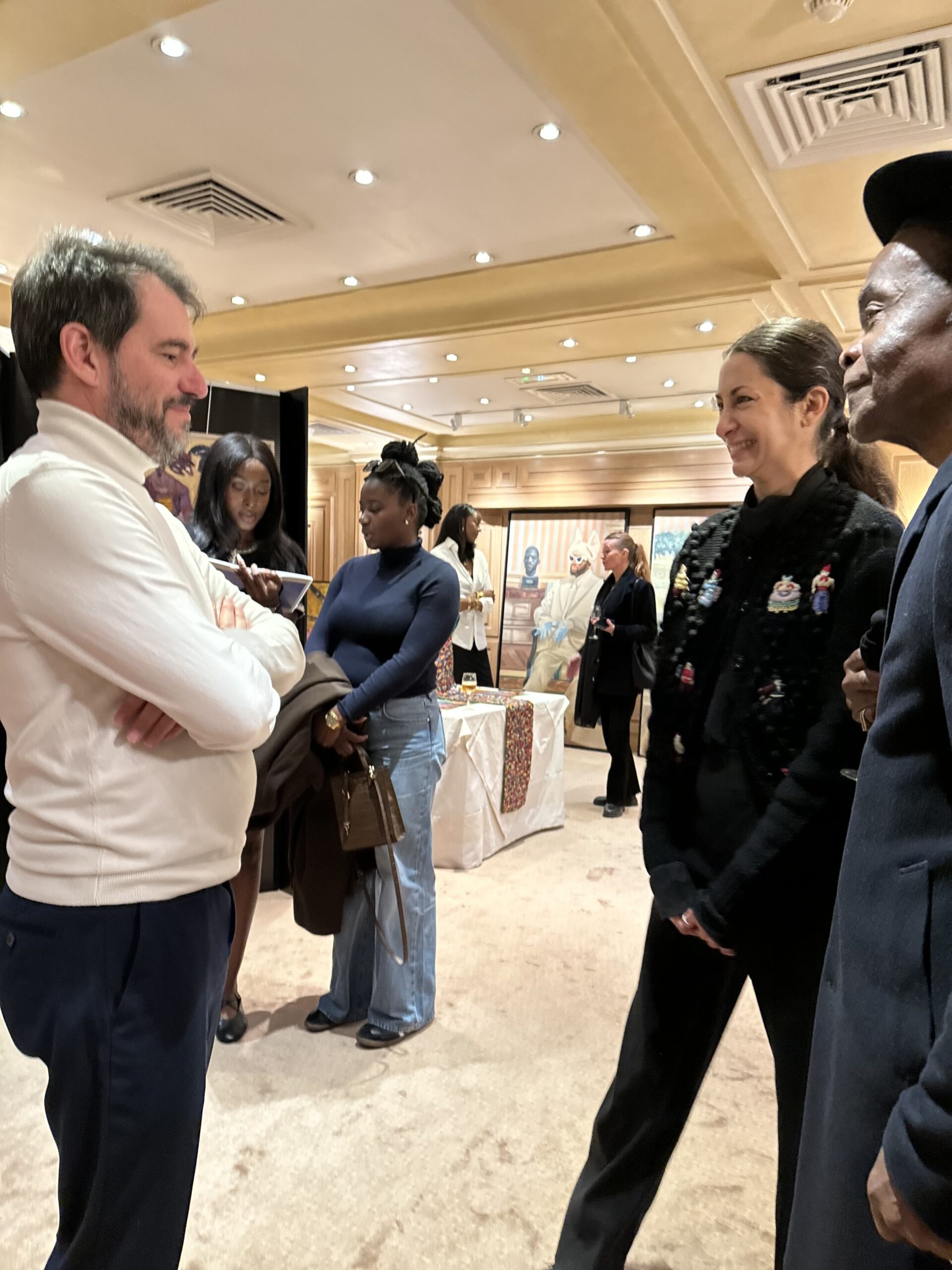
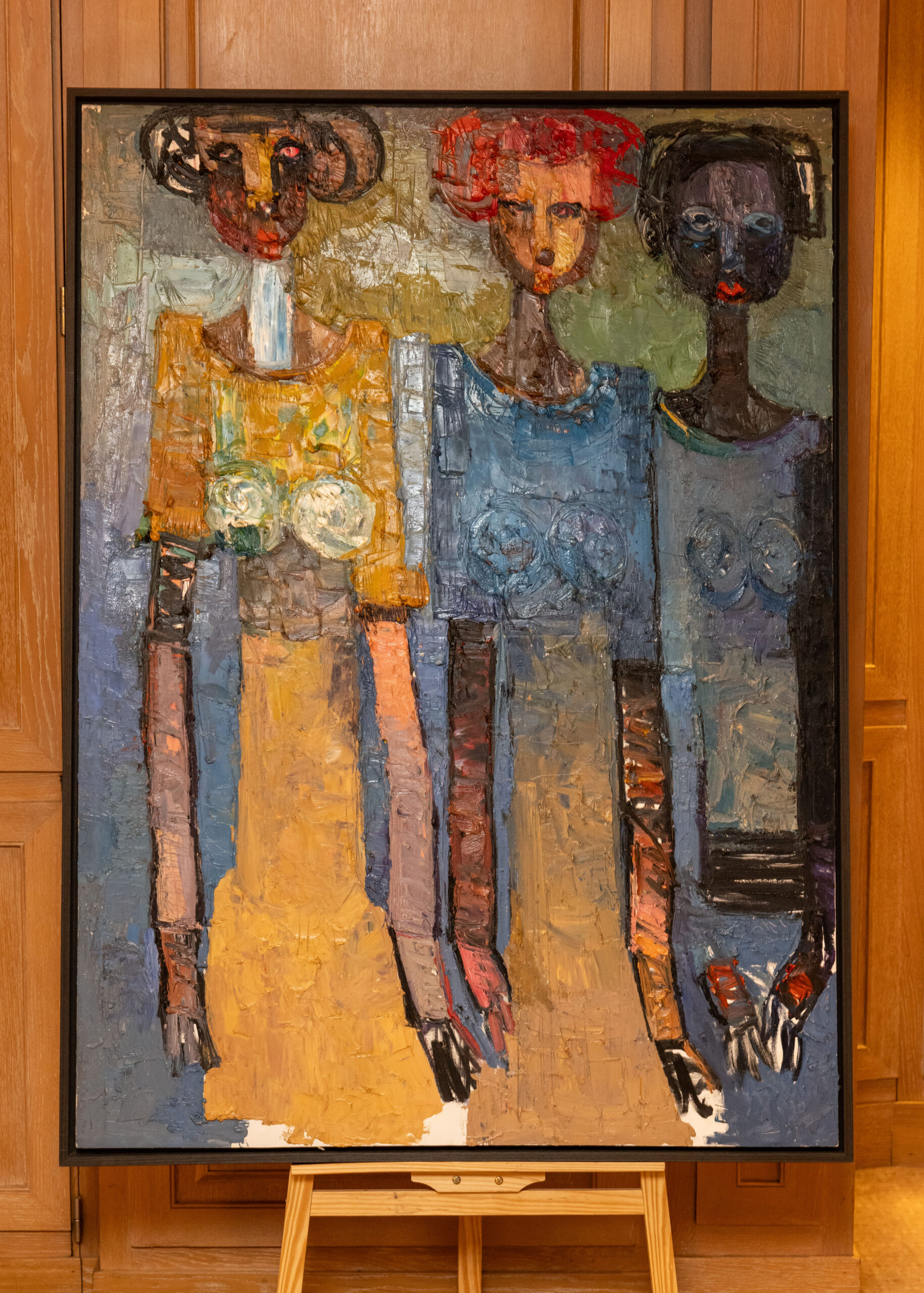
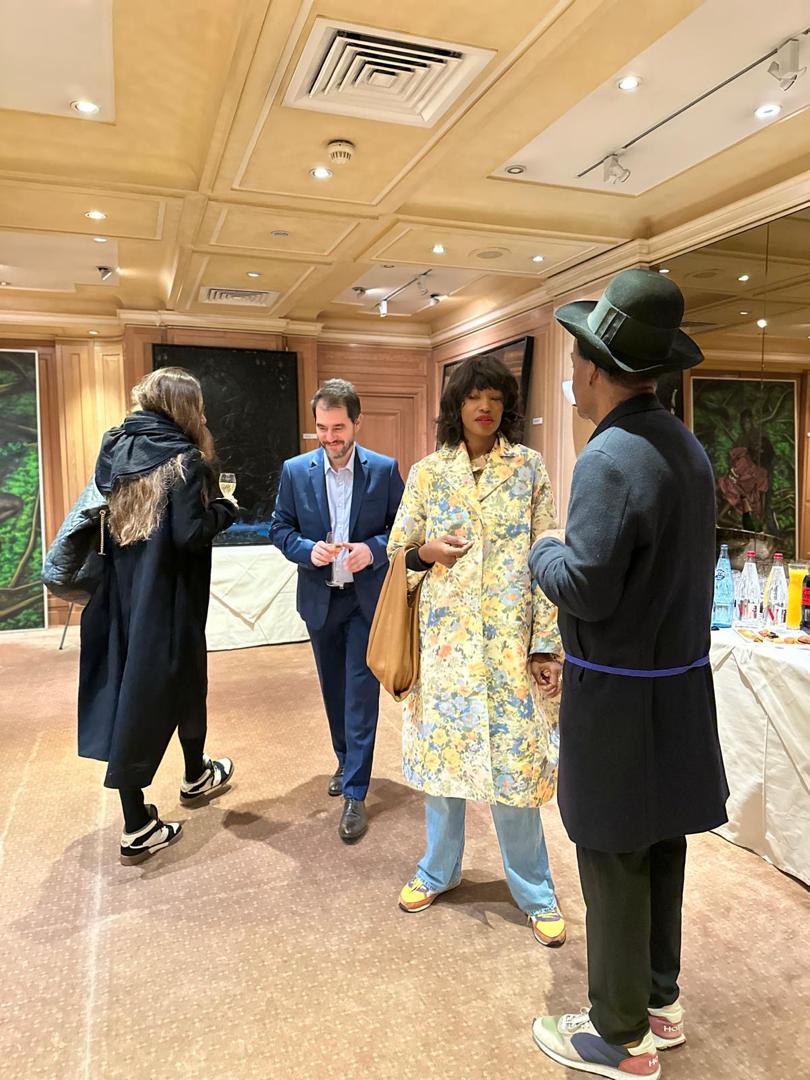
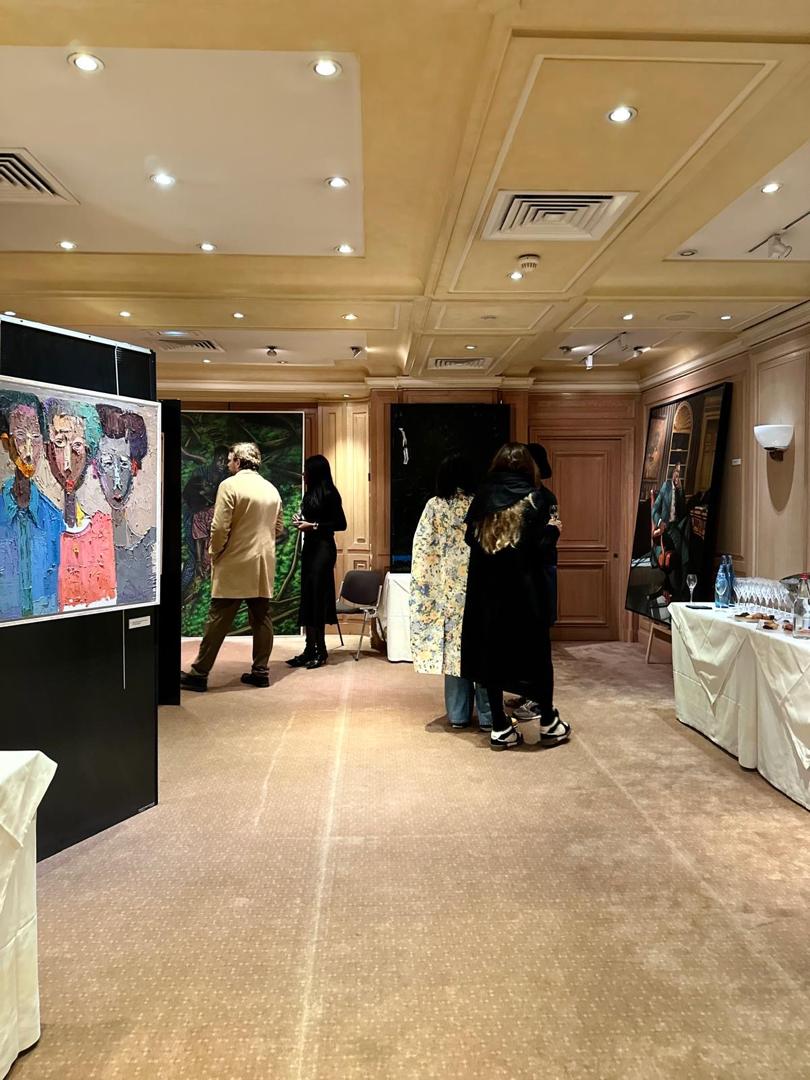
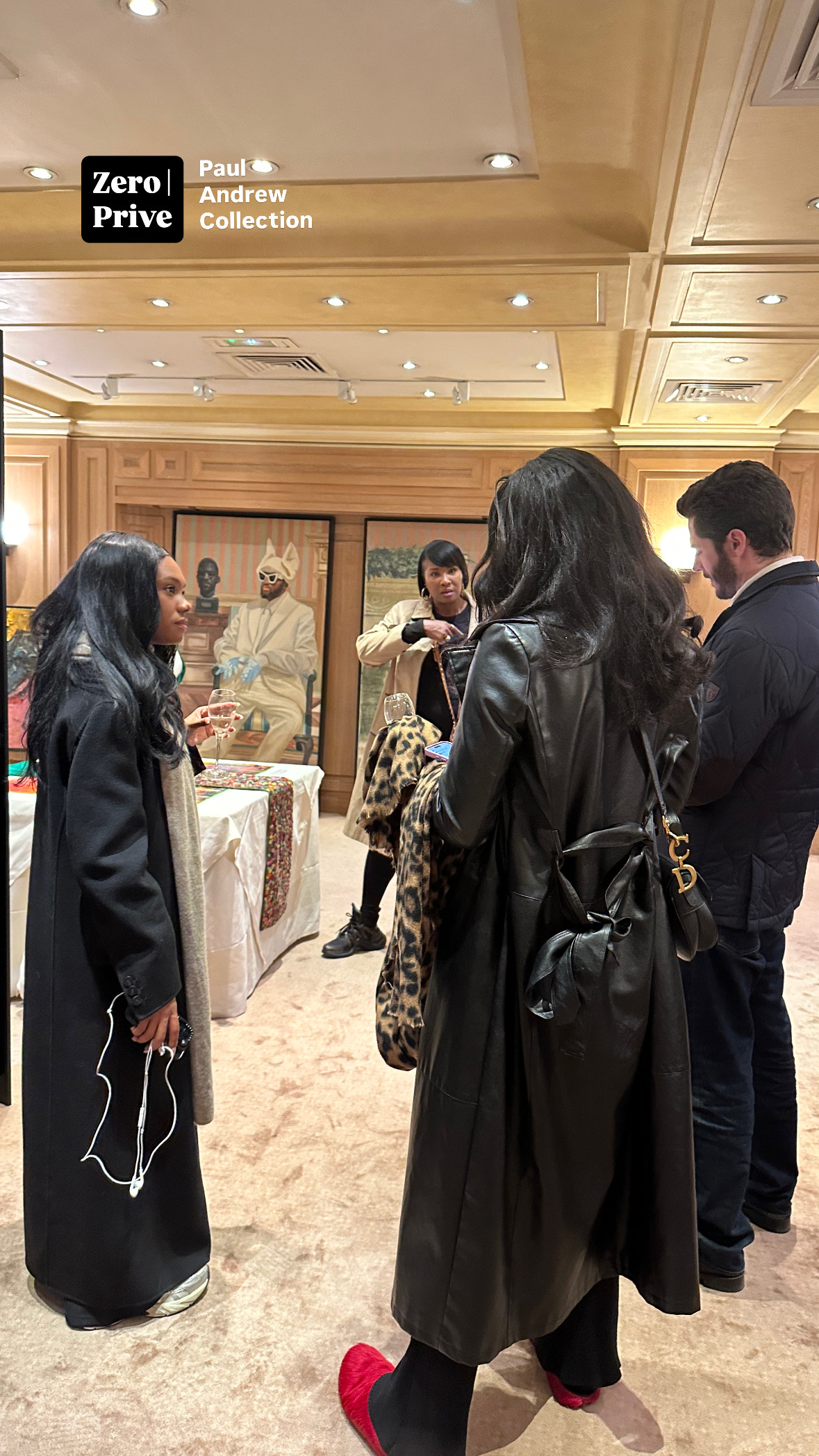
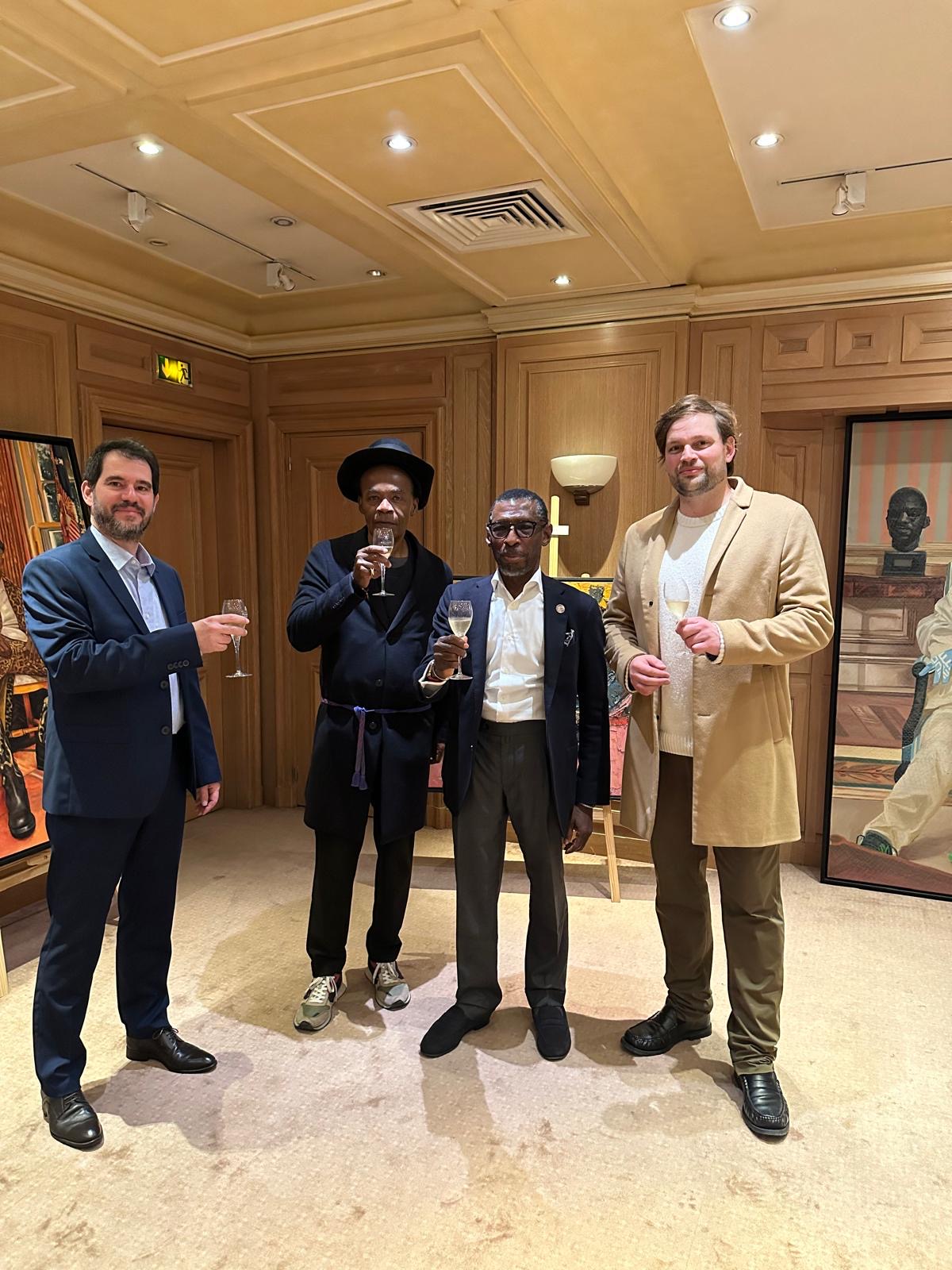
In the hallowed corridors where art history is made, Paris 2025 witnessed a cultural milestone that will resonate for generations. Zero Privé presented Modern African Art, a meticulously curated exhibition of the O. Paul Andrew Collection—a private assembly of masterworks that has quietly but profoundly shaped the narrative of contemporary African artistic expression.
This was not merely an exhibition. It was a statement of arrival, a declaration that African modernism no longer seeks validation from the global art establishment—it commands it.
The Visionary Behind the Collection
Olusegun Paul Andrew stands as both artist and custodian of African visual heritage. With over four decades immersed in the continent’s artistic movements, Andrew’s journey began in 1978 at the Toki Memorial Arts Centre in Ibadan, where his abstractionist vision was shaped by luminaries including Tunde Odunlade, Tunrayo Onibonokuta, Jimoh Braimoh, and the legendary Twin Seven Seven.
In 2021, Andrew founded Zero Privé Gallery in Ikoyi—a space conceived to marry rich African cultural traditions with contemporary global sensibilities. The Paris presentation represented the apex of this vision: bringing four decades of strategic acquisition to an audience that understands not just the aesthetic value, but the historical significance of what was on display.
The Exhibition: Where Legacy Meets Innovation
The Rising Africa Art Exhibition, as it was formally titled, represented a landmark initiative celebrating modern and contemporary African art on the global stage. What distinguished this presentation was its strategic positioning—these were not emerging artists seeking recognition, but established masters whose work has already altered the trajectory of African contemporary practice.
The Masters Presented
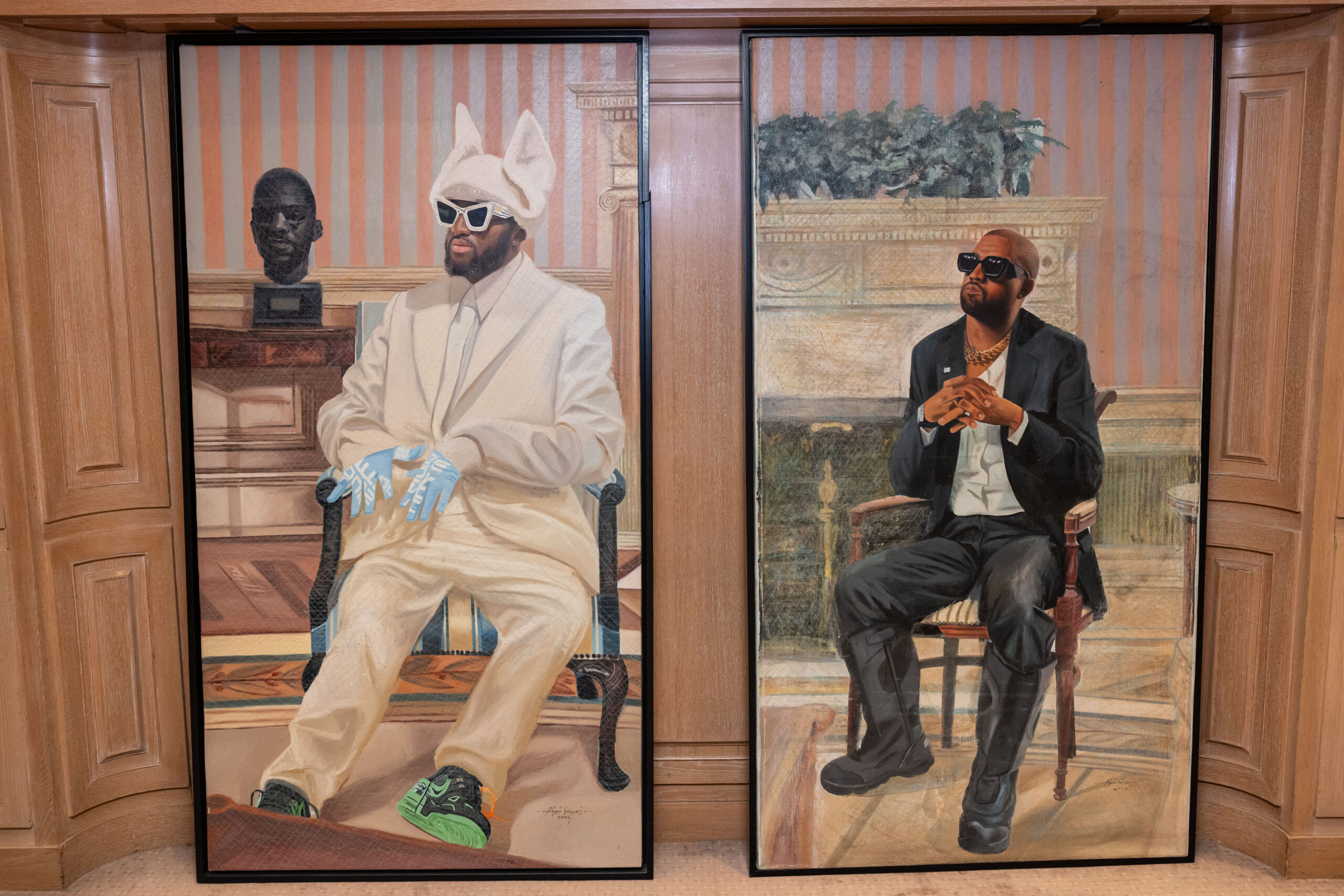
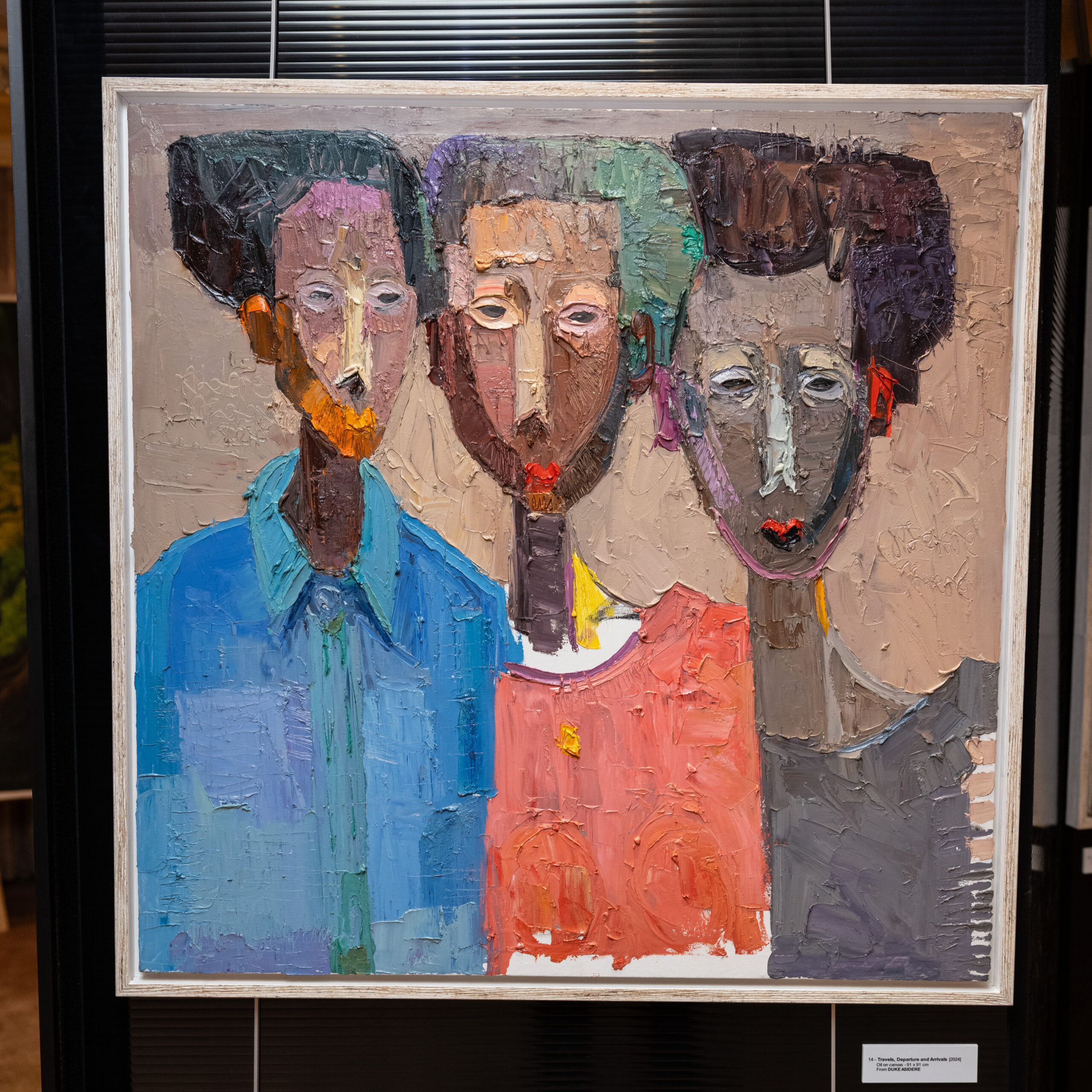
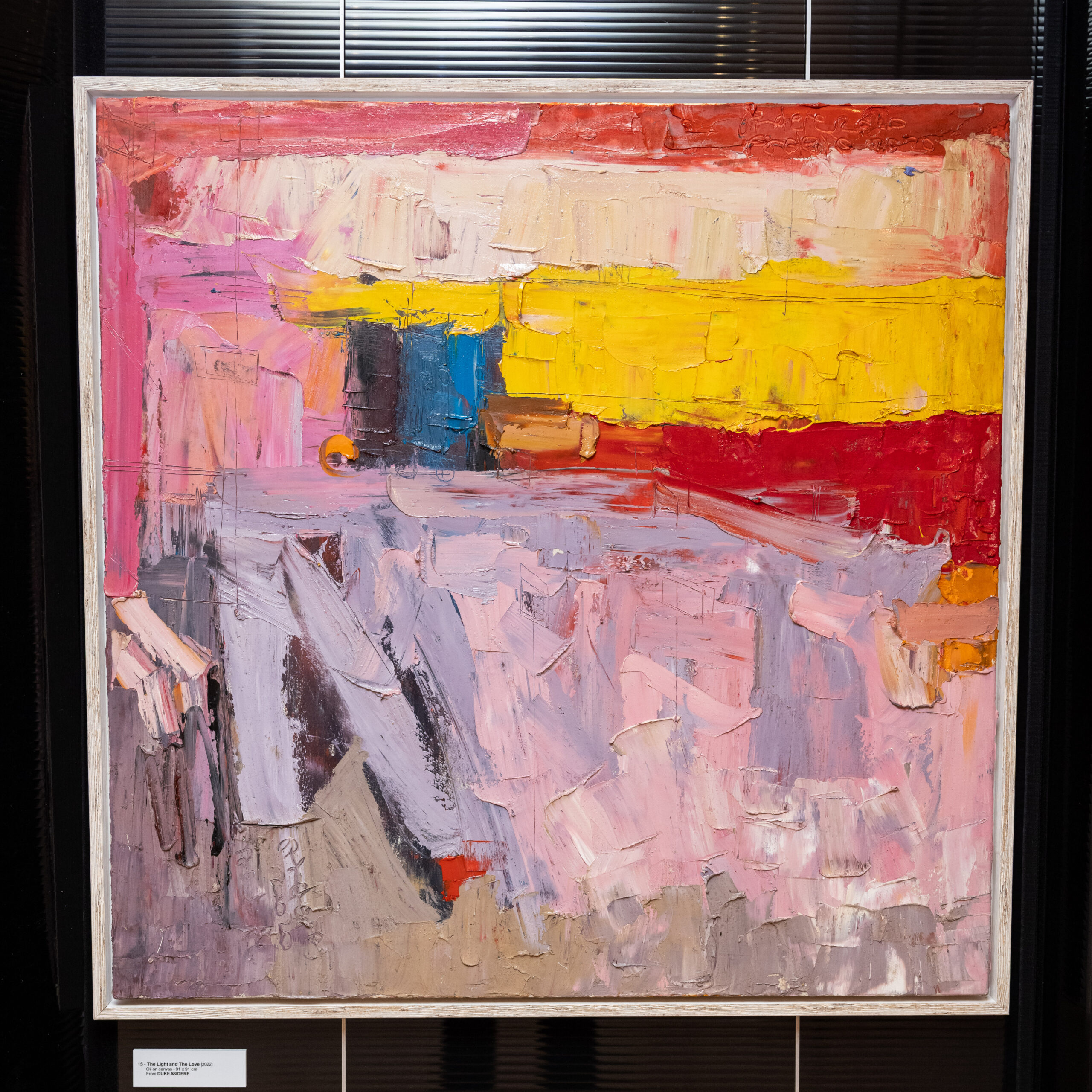
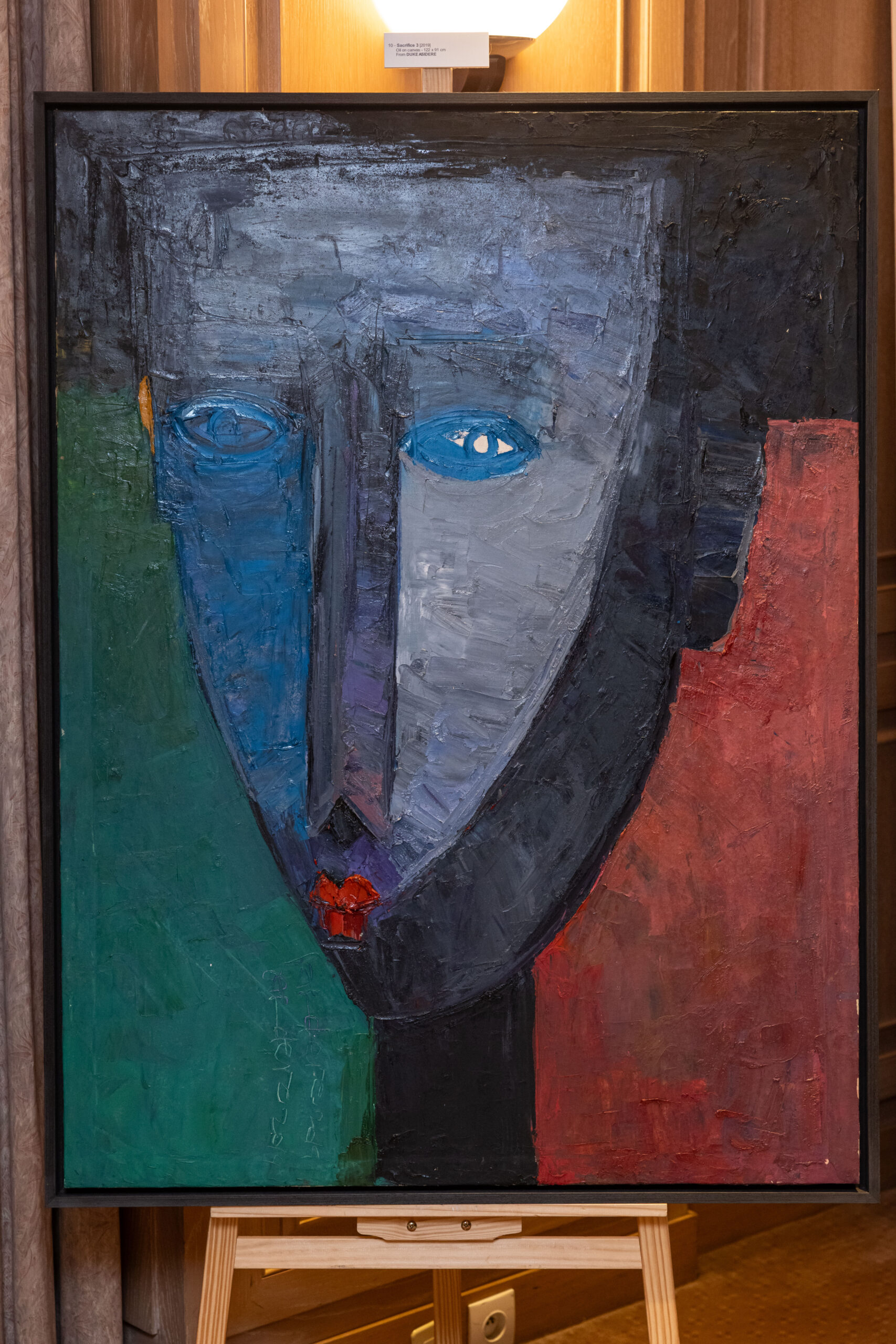
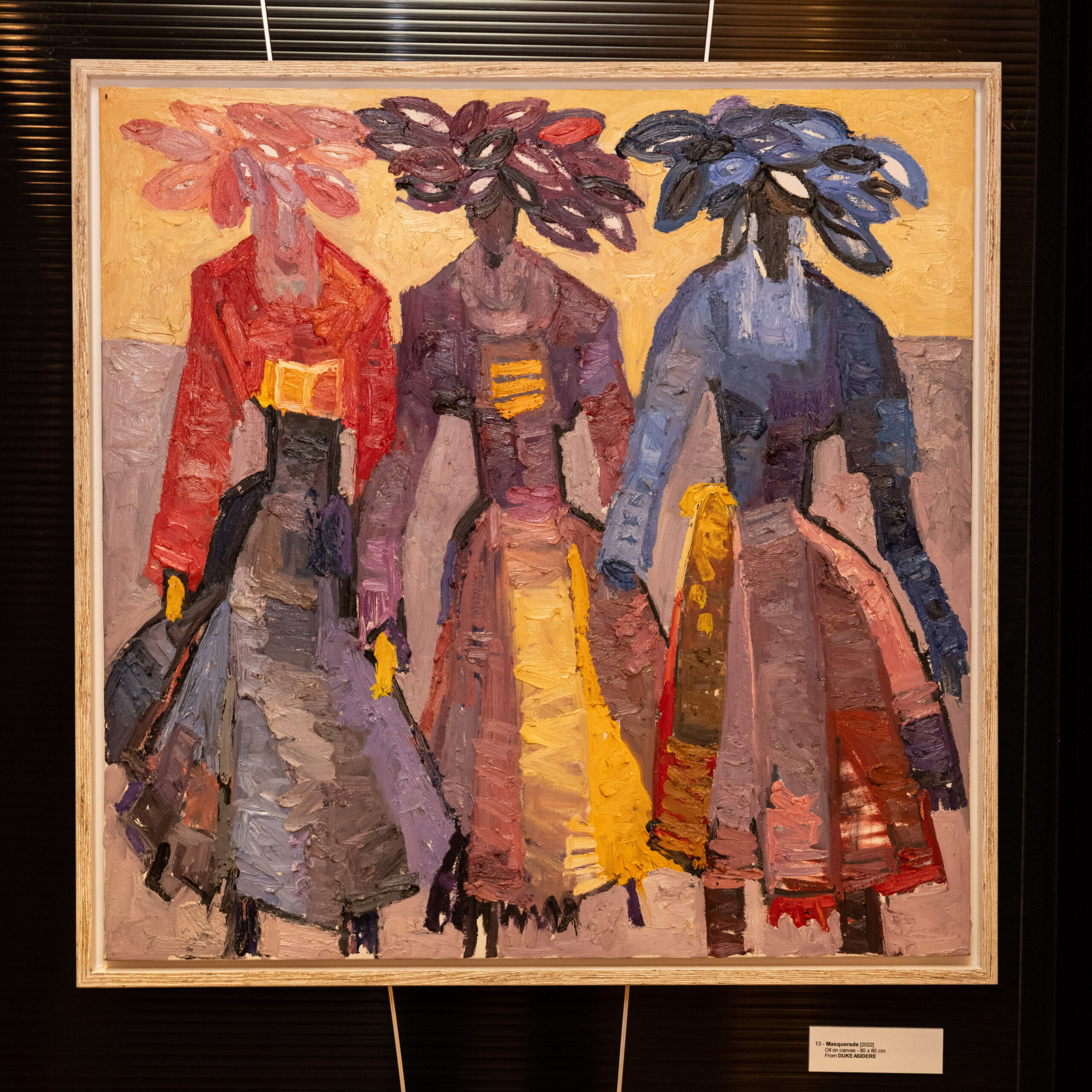
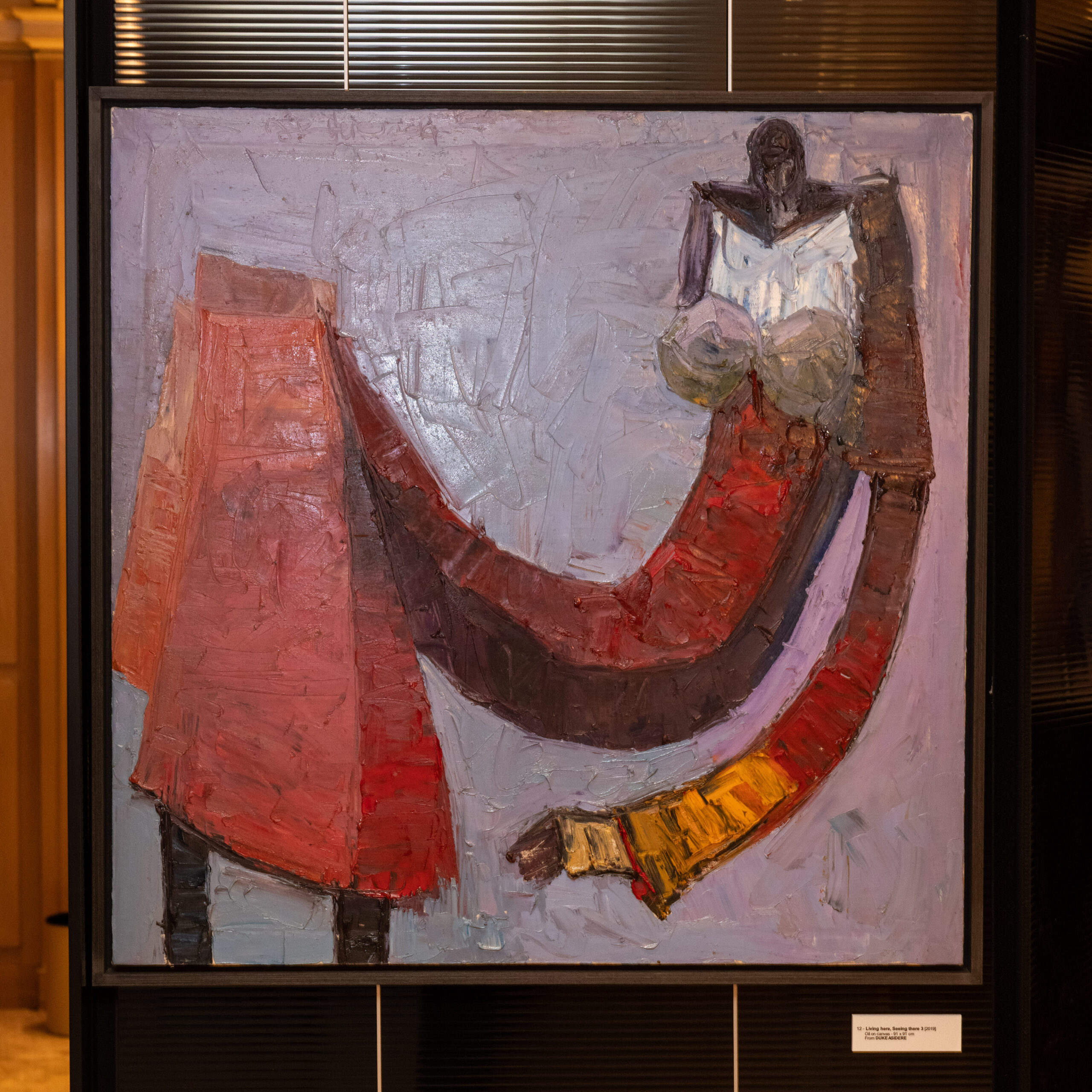
Duke Asidere — One of Nigeria’s preeminent contemporary voices, Asidere’s first-class honors from Ahmadu Bello University Zaria merely hint at the intellectual rigor underlying his visual commentary. His works engage contemporary African politics through visual metaphors, infusing human drama with irony and humor. From headless figures to densely populated urban landscapes rendered in car enamel paint applied with spray guns, Asidere’s economy of means achieves profound expressive power.
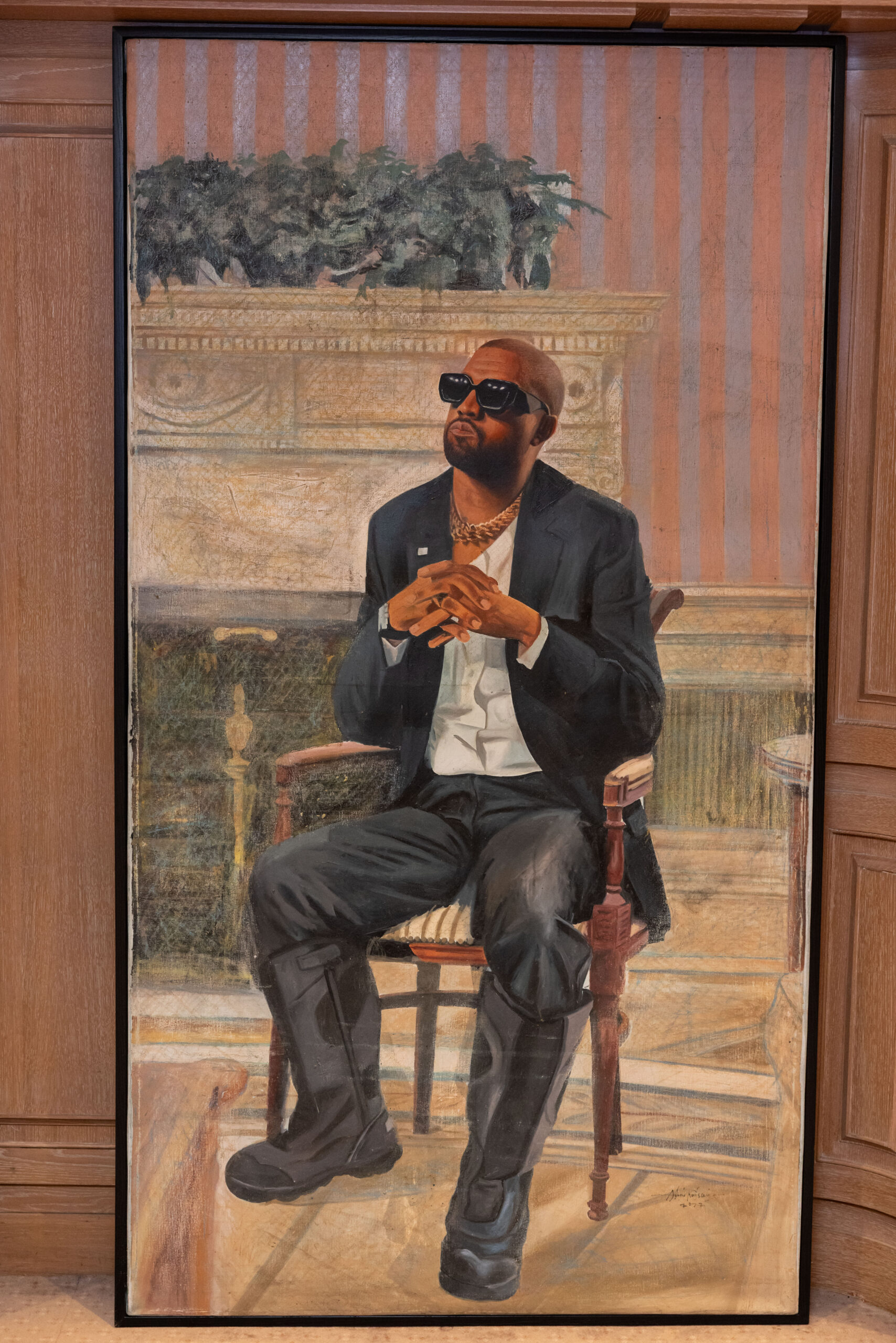
Works on view included The Light and The Love (2020), Living Here, Seeing There 3 (2019), and the monumental Kanye Washington (My Cup Overflows) (2022, 196 × 106 cm)—pieces that demonstrate why Asidere’s simplicity of form and expressive line have made him indispensable to understanding contemporary African visual language.
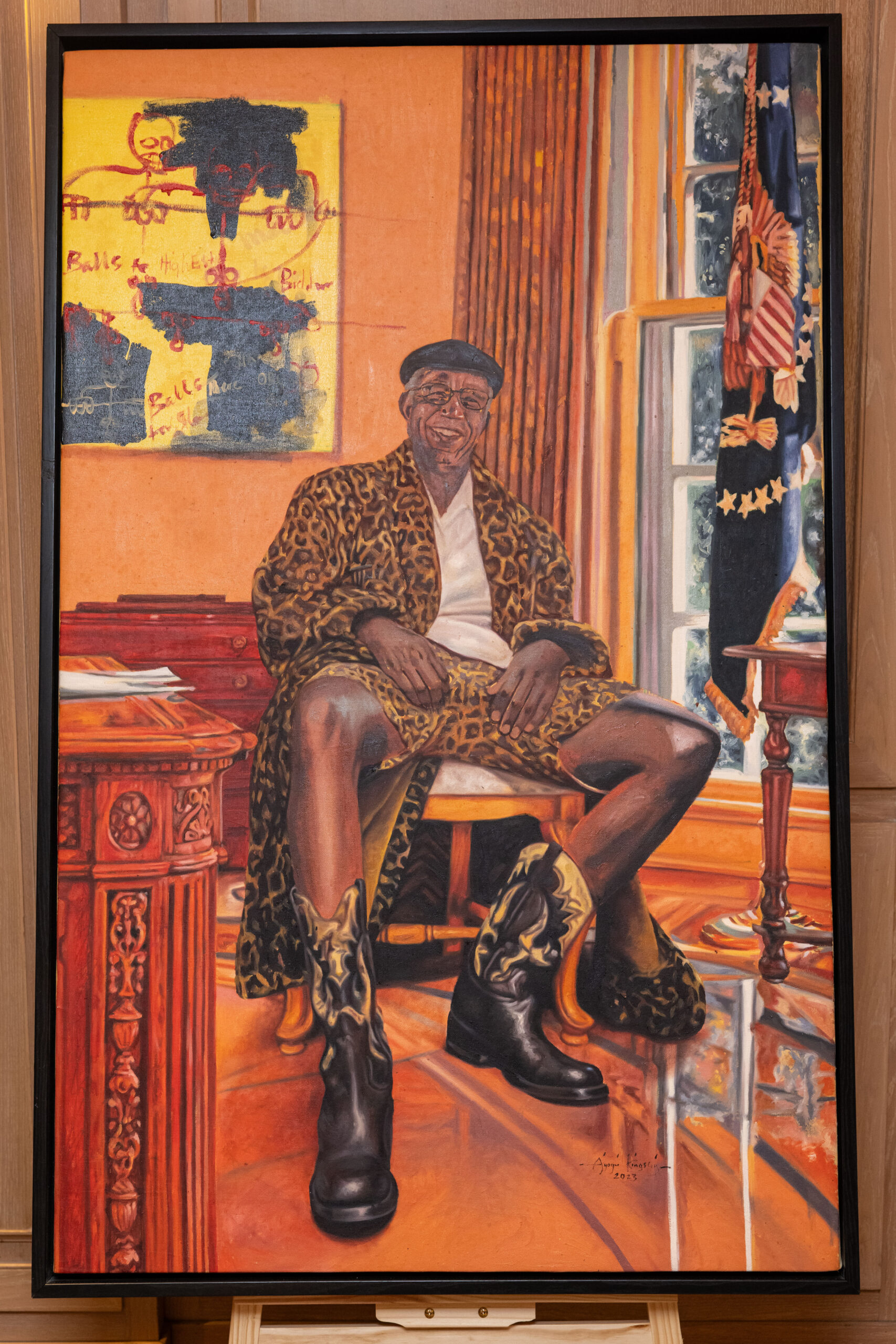
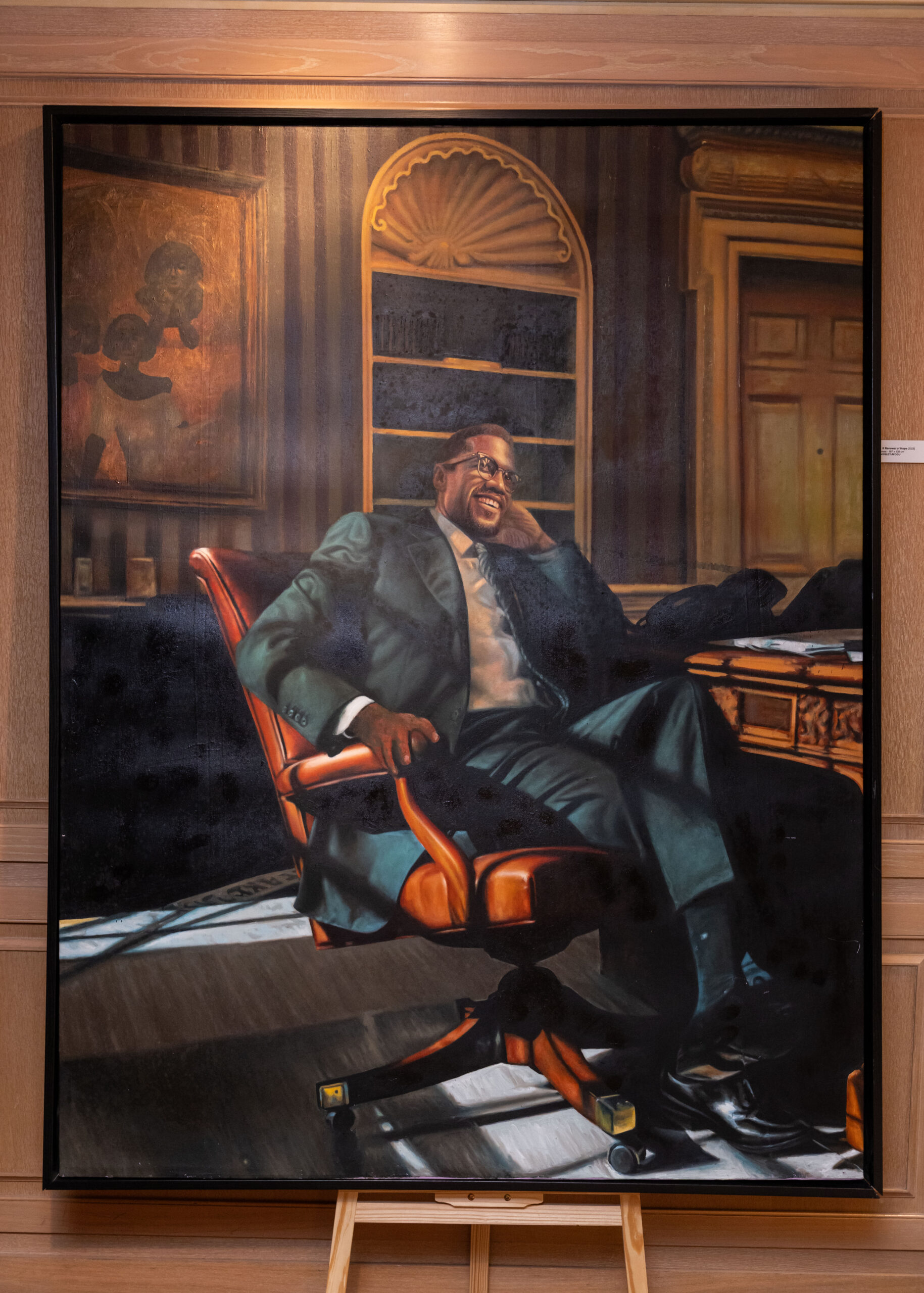
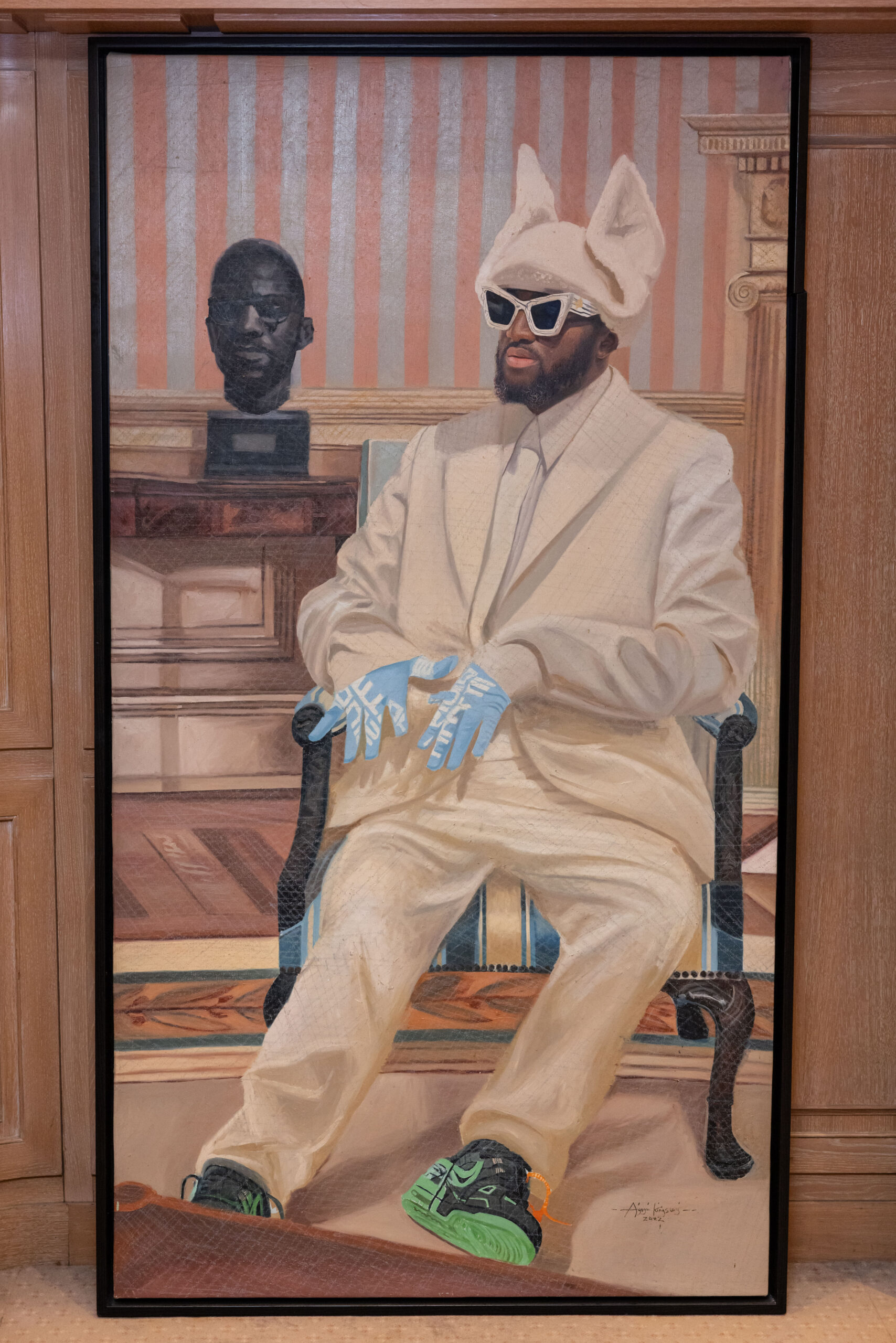
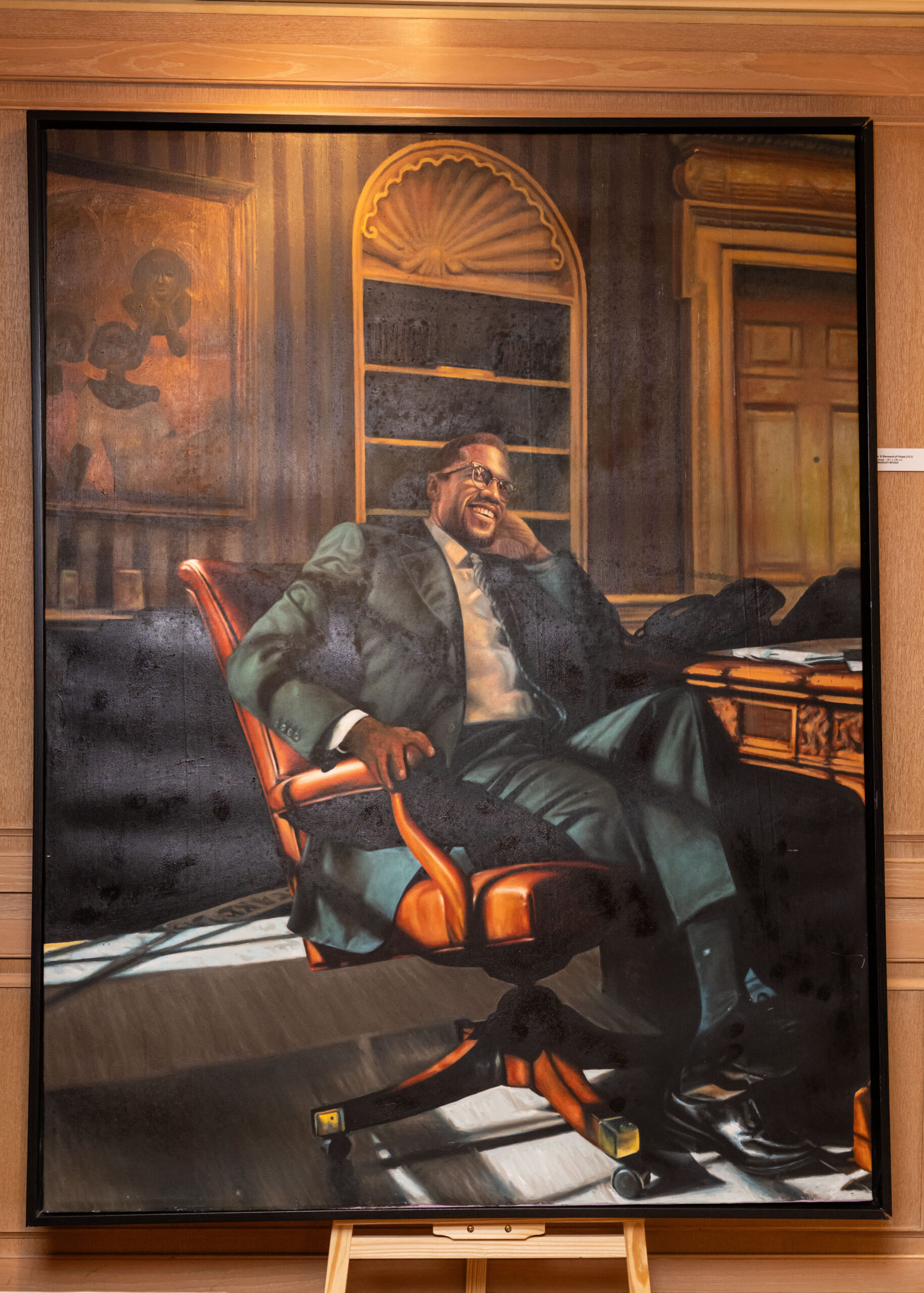
Kingsley Ayogu — The hyperrealist phenomenon whose lens-like detail has earned him recognition from the BBC and international press. Winner of Best Experimental Artist at LIMCAF 2016 and the Future Awards Africa 2020 (Arts category), Ayogu’s paintings possess what critics have described as “terrifyingly visceral” quality—so lifelike one feels compelled to reach out and touch them.
His Icons in the White House series, which went viral in 2021, was represented alongside more recent masterworks including Chinua Achebe (2023, 91 × 149 cm) and Malcolm X: Renewal of Hope (2023, 138 × 187 cm). These are not portraits—they are visual poetry that speaks directly to the conscience, depicting the daily experience of human life with pulsating emotional appeal.
Damilola Olusegun — Her Iyaniwura series (“Mother is Gold”) offers profound meditation on the invaluable role of women in African society. Working in charcoal and acrylic on canvas, Olusegun creates monumental pieces that honor Yoruba traditions while speaking to universal themes of environmental stewardship and community preservation.
The exhibition featured IYANIWURA 3 (2024, 228 × 152 cm) and ỌMỌ OLOGO (Girl Destined for Glory) (2024, 198 × 91 cm)—works that capture the quiet strength and grace of women who, despite facing immense challenges, maintain the calm orderliness that defines traditional African village life.
Nissi Ogulu — The youngest voice in the collection, Ogulu represents the future while honoring the past. Her unique medium—combining acrylic and rice—creates pieces that are simultaneously impactful and delicate. Her Confronting Conflict series addresses long-standing African struggles, from the Congo wars since 1960 to Sudan’s ongoing crises, through a bold, contemporary lens designed to engage younger audiences.
Works including Warrior of Circumstance (2024, 5 × 7 ft) and Less Fighting, More Dancing (2024, 5.1 × 7.1 ft) demonstrate Ogulu’s ability to bridge past and present, creating narratives of hope and progress while acknowledging historical trauma.
The Context: Why Paris, Why Now
The exhibition’s Paris location carried symbolic weight. For centuries, African artists have been told their work belongs in ethnographic museums, not alongside Monet and Picasso. This presentation—in partnership with prestigious French institutions and accompanied by Champagne Carbon for Bugatti—positioned African modernism exactly where it belongs: in the conversation about contemporary excellence, without qualification or caveat.
The four-decade span of Andrew’s collection demonstrates that African artists didn’t suddenly become relevant in the 2020s when Western auction houses discovered them. They have been producing work of staggering quality and intellectual depth for generations. This exhibition simply made visible what discerning collectors have known all along.
The Broader Mission: MoMCAAL and TIASA
The exhibition operated within a larger ecosystem designed to institutionalize African artistic and intellectual achievement:
The Museum of Modern & Contemporary African Art London (MoMCAAL) serves as the institutional anchor, ensuring these works are not just collected but properly contextualized, studied, and preserved for future generations.
The Institute of African Studies & Arts (TIASA), now embedded within the historic Africa Centre London, represents an ambitious expansion—establishing “a vital intellectual and cultural presence at one of Europe’s most iconic institutions dedicated to African heritage.” This is about deepening African educational discourse across the UK and Europe, creating a pan-African intellectual hub where scholarship, creativity, and memory converge.
The Experience: Beyond the Gallery Walls
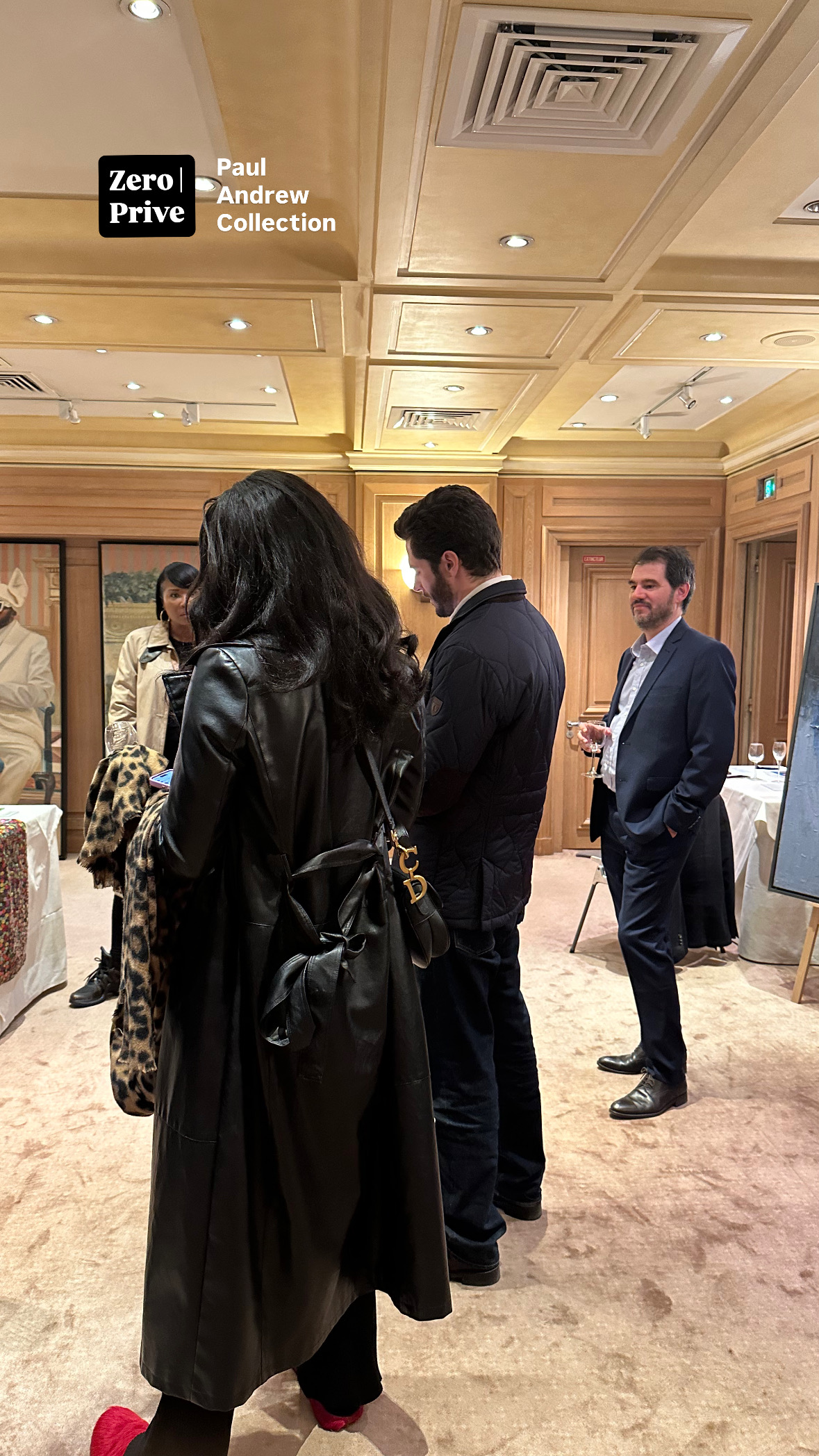
Those privileged to attend understood they were witnessing more than art—they were participating in a cultural realignment. The partnership with Champagne Carbon for Bugatti signaled the exhibition’s positioning within the luxury ecosystem, while the clean energy sponsorship from Komani Energies B.V. reflected a forward-thinking approach to cultural sustainability.
What the Collection Reveals
The strategic genius of Andrew’s collection lies not in its eclecticism but in its coherence. Each artist represents a different facet of African modernism:
- Asidere: Political commentary and urban experience
- Ayogu: Hyperreal documentation and emotional truth
- Olusegun: Cultural preservation and feminine strength
- Ogulu: Contemporary conflict and hopeful futurity
Together, they form a complete picture of where African art has been, where it stands, and where it’s heading.
The Legacy
As the Paris exhibition closed, what remained was not just memory but momentum. Andrew’s words—“These works are not relics. They are living texts that continue to shape the direction of African contemporary art”—proved prescient. The artists presented aren’t creating work for museums of natural history. They’re creating the visual language that will define the 21st century’s understanding of modernism itself.
For those who attended, who stood before these monumental works and felt their gravitational pull, the experience confirmed what the most sophisticated collectors already knew: African art isn’t a market segment or an emerging category. It is simply great art, period. And collections like Andrew’s prove that some curators didn’t need the market to tell them this—they’ve been building cultural legacies for decades, waiting patiently for the world to catch up.
Zero Privé Art Advisory | Lagos | London | Paris
Where Art Meets Heritage
For inquiries regarding the O. Paul Andrew Collection or future Zero Privé presentations: info@zeroprive.com